Getting patients where they need to go
If you were suffering from a severe medical condition, you would get treatment at a hospital. If that condition was extreme or rare, you would seek out a specialist. Now imagine you live hundreds of miles from that specialist, perhaps in a rural community. Traveling for treatment could take many hours by car, worsening your condition and compounding the pain you already endure.
Maybe you’re fortunate enough to live near an airport and could fly commercially, but the flights are expensive and you may need to travel every few weeks. Even if cost isn’t the barrier, a compromised immune system can make sitting in a crowded cabin risky.
Angel Flight West (AFW) was created in 1983 to serve patients facing these exact challenges. Our volunteer pilots transport people to the medical care they need. The pilots donate both their time and the aircraft they own or rent. AFW serves the western 11 states, flying more than 4,000 missions and helping over 1,000 patients each year.
Getting ready for a mission
For pilots, these missions often mean flying into unfamiliar airports, working around tight schedules, and making careful go/no-go decisions with a passenger depending on you.
Using ForeFlight to plan the flight
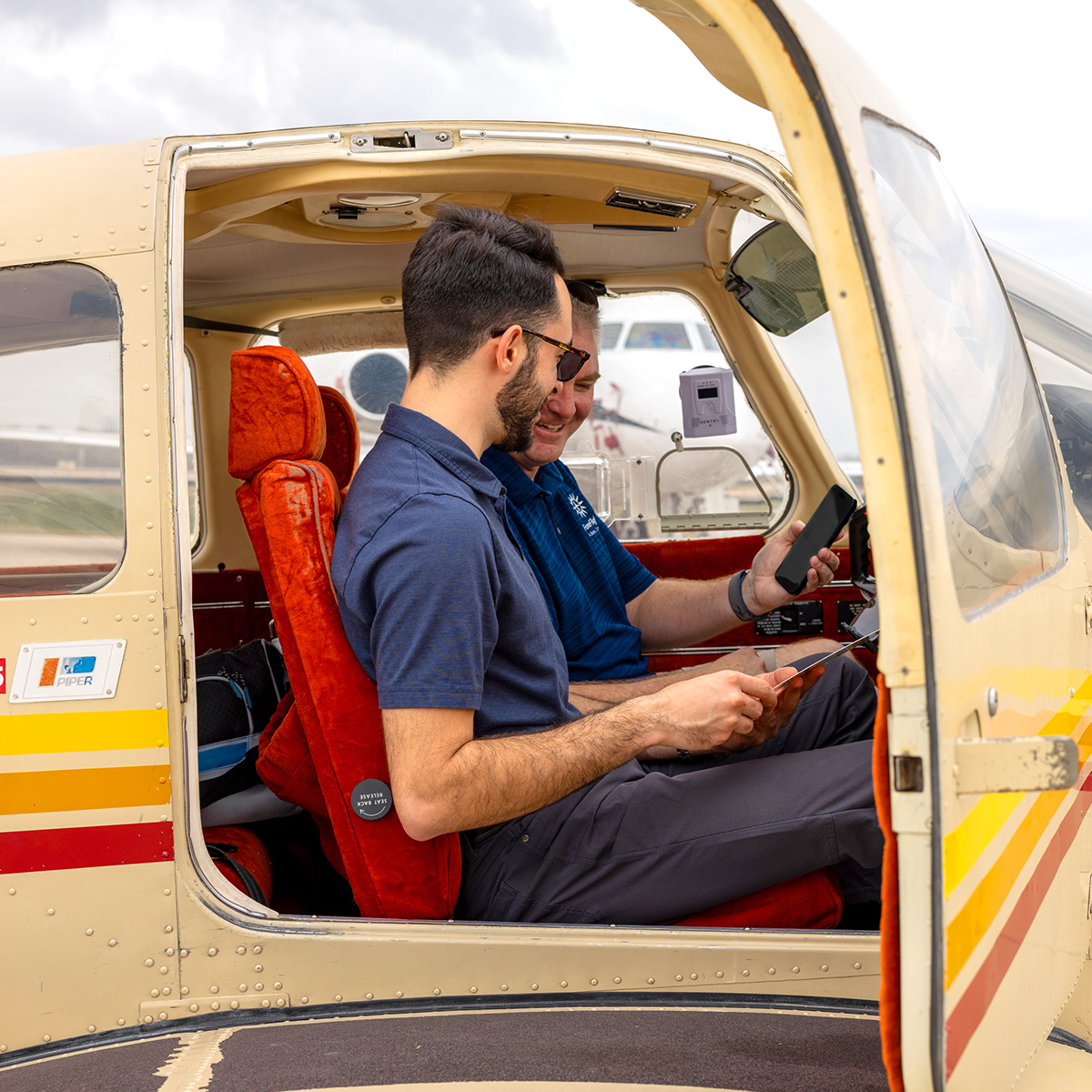
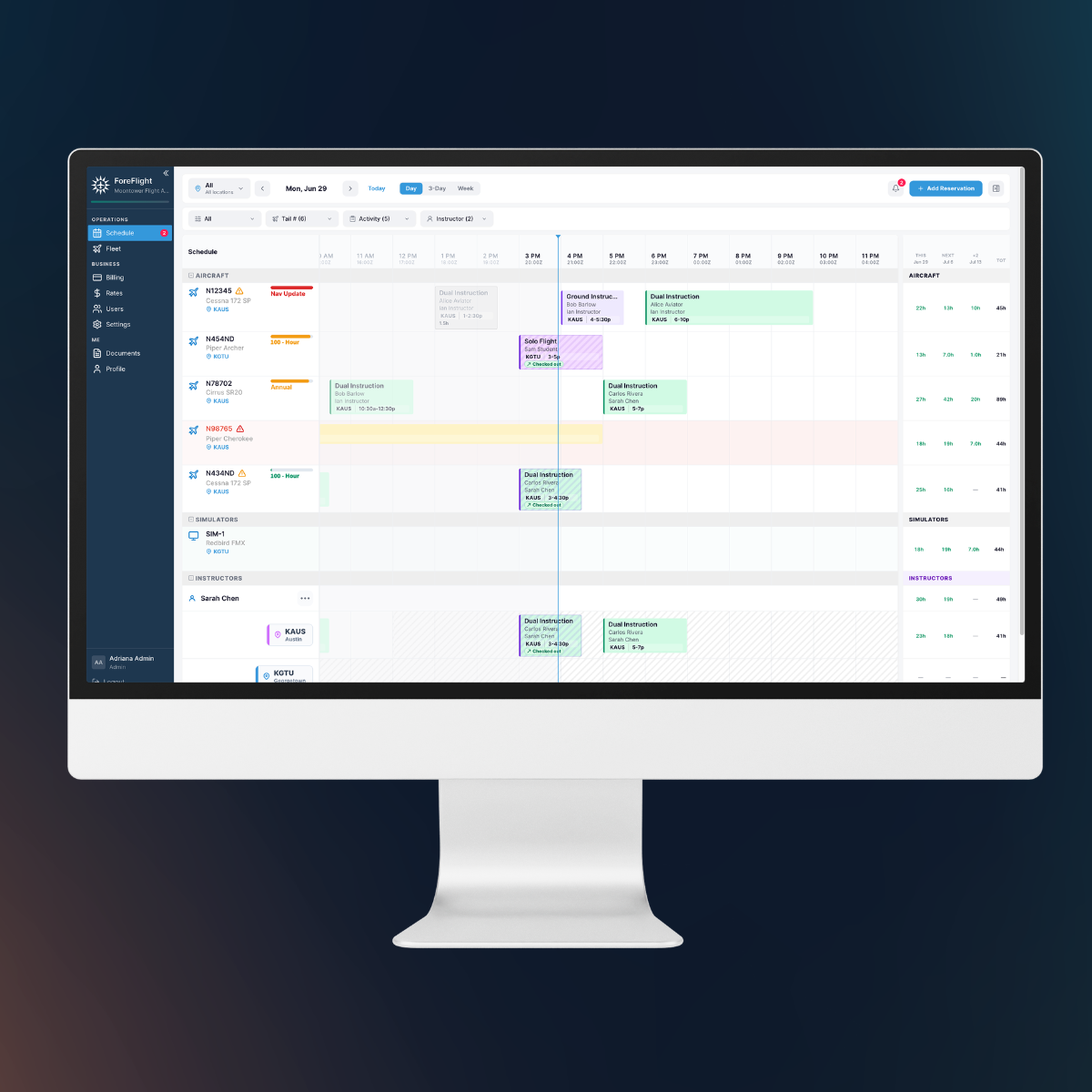
I rely on ForeFlight from the very beginning of each mission, reviewing weather, NOTAMs, and routing options to make sure the plan holds together before I ever leave the ground.
As soon as I learned about Angel Flight West, I knew I wanted to be part of it. It’s “flying for a purpose” in the best way imaginable.
Passengers you never forget
My first Angel Flight West mission
My first mission was with a young woman suffering from a rare and painful condition that could only be treated by two surgeons in the country. In the days leading up to the flight, I found myself checking and rechecking the weather and route in ForeFlight, wanting to be absolutely certain everything would go smoothly. During the three-hour flight, I learned about her illness and the toll it was taking on her body. The story was difficult to hear, especially knowing she was just two years older than my daughter. Each flight since has been memorable and rewarding. Our passengers are extremely grateful, in spite of suffering from conditions that would break most of us.
A Young Passenger on His 50th Flight
One that stands out was an 11-year old boy I flew for a follow-up after a heart transplant he had when he was nine. He flew every two weeks and this was his 50th mission!

Six months later, I had back-to-back flights between the Bay Area and Arcata. These are the kinds of missions where preparation and situational awareness matter most; flying into airports I don’t visit often, sometimes with changing weather or tight turnarounds. Having clear airport information, taxi diagrams, and terrain awareness in ForeFlight helps me stay ahead of the airplane and focus on the passenger.
Debbie’s Story
The first passenger, “Debbie”, was being treated for abdominal adhesions, a condition that constricts her organs as it progresses. There is no cure – only management. She appeared healthy, but relied on a wheelchair to avoid worsening her condition.
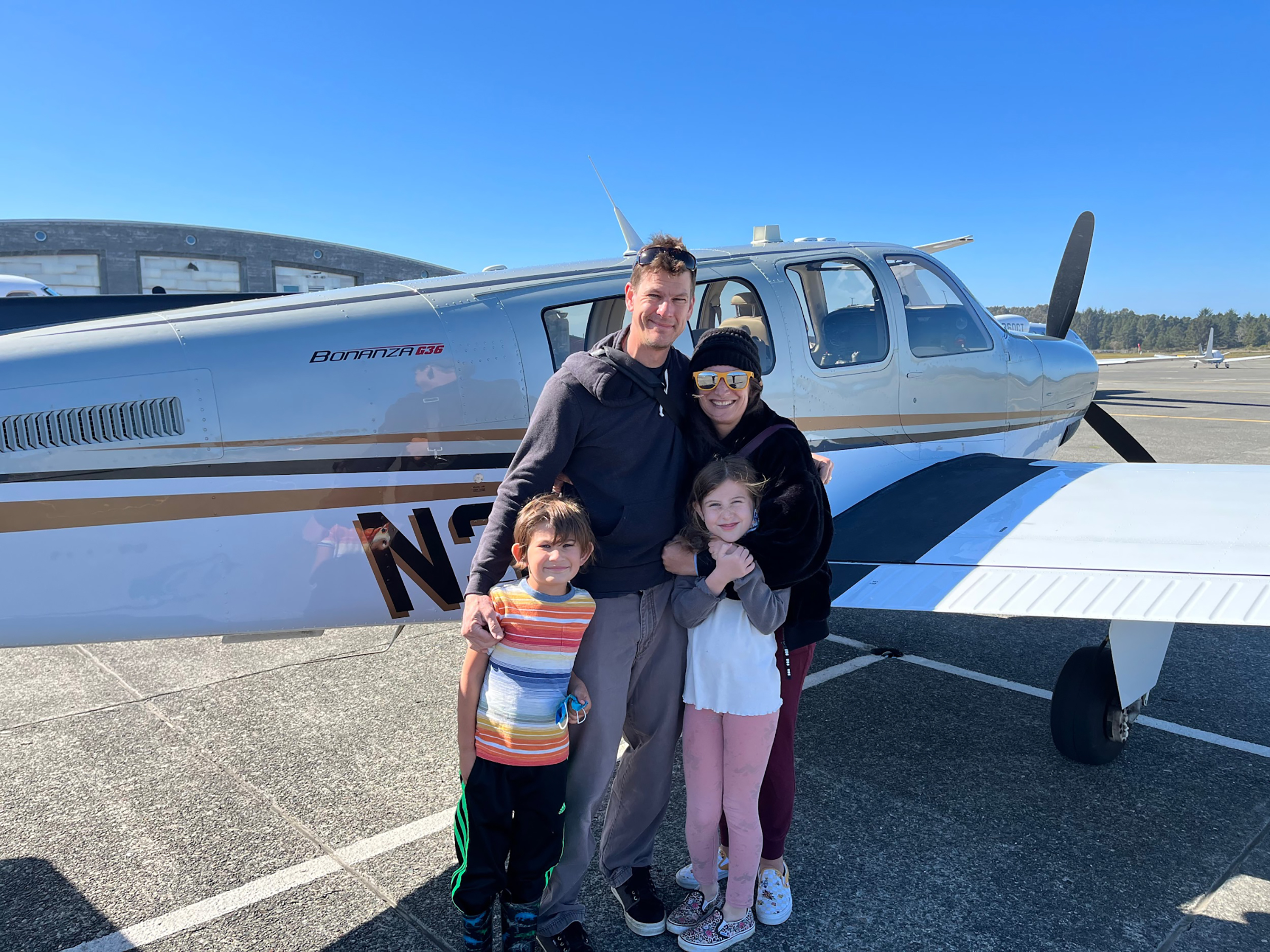
Halfway through the flight, I asked if she was ever in much pain. She told me she was always in pain, even right then. Over the seven years she had suffered from this condition, she had learned how to hide her pain. When I asked how she maintained such a positive outlook, she simply said, “I choose happy.”
Before landing, Debbie learned that I was flying another patient the other direction, she asked who it was. I didn’t share the name of the other passenger, but when I described her, Debbie immediately recognized the passenger, “Beth,” a close friend she had lost touch with years earlier. As soon as we landed, Debbie used my phone to send Beth a message.
The return flight with Beth was just as inspirational. She had been an avid outdoor enthusiast: kayaking, mountain biking, backpacking, climbing, everything. She had been treated for breast cancer five years earlier and was in remission, but the cancer had returned as Stage 4. Beth shared something I’ll never forget: these flights gave her a chance to look down on the beautiful scenery that she once explored and take her mind off the cancer treatments that lie ahead of her.
Three months later, when I flew Debbie again, she told me Beth had passed away. As I wiped away the tears, I was reminded why these flights matter. Even a short flight can provide comfort, dignity, and a moment of peace at a critical time.
More than medical flights
Angel Flight West does far more than transport patients. We fly children with disabilities and burn survivors to camps each summer, relocate victims of domestic violence, transport veterans and service animals, and deliver holiday gifts through our Santa Flight program. Our mission goes beyond providing access to care. We aim to bring a sense of connection and support to everyone we serve.

People often ask where I fly, but AFW missions quickly shift your focus to the person in the back seat.
I love to fly our AFW passengers because they give me the gift of perspective and a special sense of purpose. I feel fortunate to meet every one of my patient-passengers and feel more fortunate for having known them.
AFW exists because of volunteers. In addition to pilots, “Earth Angels” help transport patients to and airports, and Mission Assistants provide inflight support when needed. If you are looking to bring more purpose to your flying, or even your driving, I encourage you to get involved.
For those in the western U.S., visit angelflightwest.org. Otherwise, aircarealliance.org provides a full list of volunteer pilot organizations.
I also want to thank ForeFlight for supporting public benefit flying and for inviting me to share my Angel Flight West experiences. For my AFW missions, I rely on ForeFlight throughout the entire process; not just for planning, but for maintaining situational awareness in flight and adapting as conditions change.
When every mission involves a passenger who needs to be somewhere at a specific time, often for critical care, having reliable weather data, clear routing, and tools that help avoid surprises makes a real difference. It allows me to focus less on managing uncertainty and more on the person sitting next to me.
Why I keep flying these missions
I’ve noticed that a lot of passengers end up watching the flight on ForeFlight. It seems to help them feel a little more at ease and gives them something familiar to follow along with in the air.
By the time these missions are over, I’m usually not thinking much about where I flew. It’s more about who I had the chance to fly. Angel Flight West has a way of putting aviation into perspective. ForeFlight helps make each flight safer and more predictable, but it’s the people in the back seat who stay with you.
Flying with AFW is a reminder that even a short flight can mean a lot to someone on board. And honestly, it tends to give something back to the pilot too.

.png)