In the world of airline flying, most flights are a matter of routine. Although some of the variables change, the overall process remains the same. But every pilot remembers the handful of approaches that truly put their skills and training to the test.
For me, one of these approaches came on a murky flight into George Bush International in Houston, Texas. The weather was down to the wire, which led to one of the coolest experiences I’ve had in my career: Flying a Category II approach to within a couple of hundred feet of the ground before breaking out.
What is a CAT II approach?
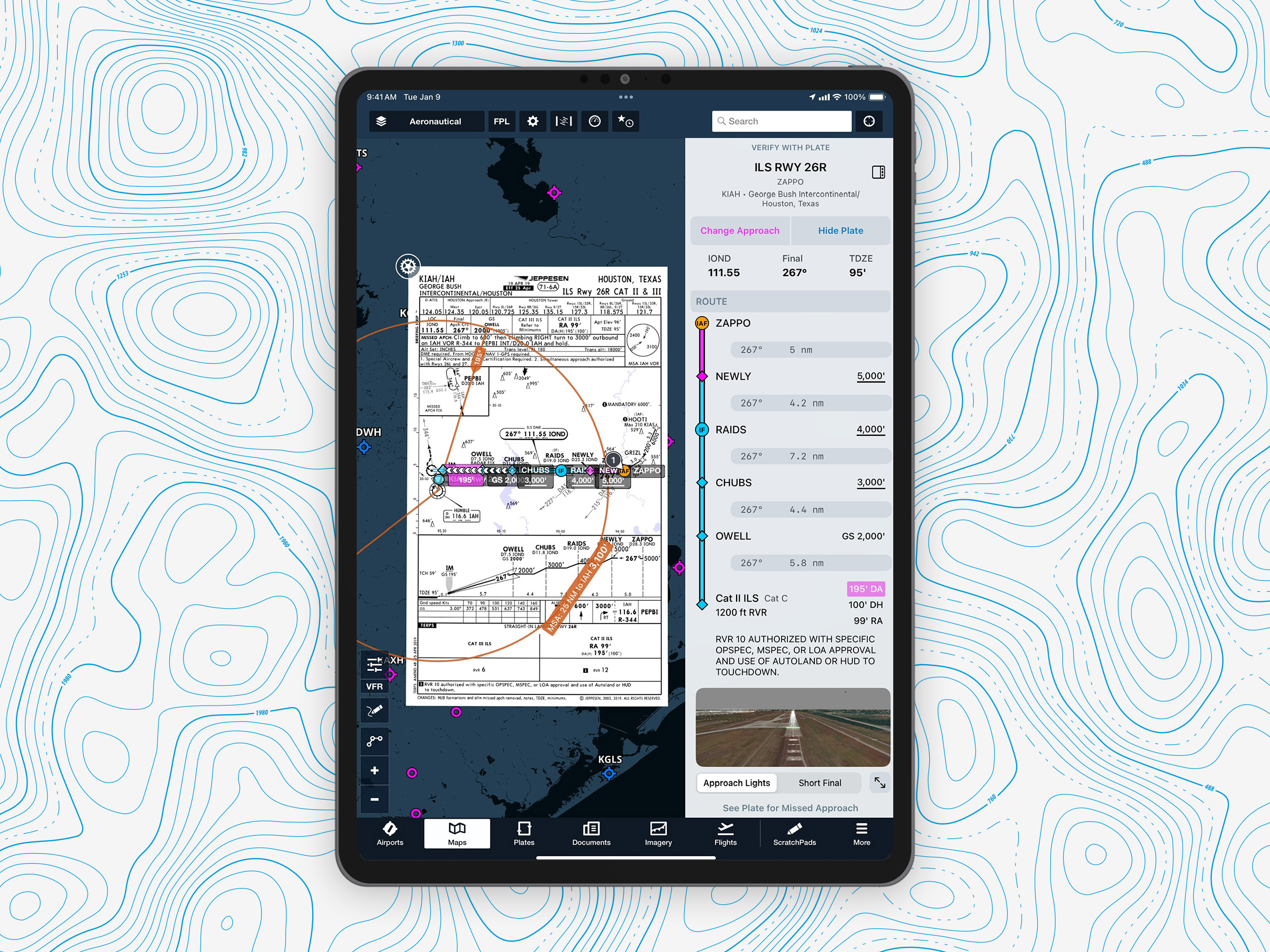
For those unfamiliar, a Category II (CAT II) approach is one of aviation’s most challenging precision landing procedures, designed for conditions where the weather is anything but friendly. The minimums are 100 feet above the touchdown zone and a Runway Visual Range (RVR) of 1,200 feet.
The Instrument Landing System (ILS) allows pilots to descend and line up with the runway using instruments all the way down to as low as 100 feet above the ground before a decision must be made to land or go around. The landing itself is made visually.
Flying a Category II approach at the airlines
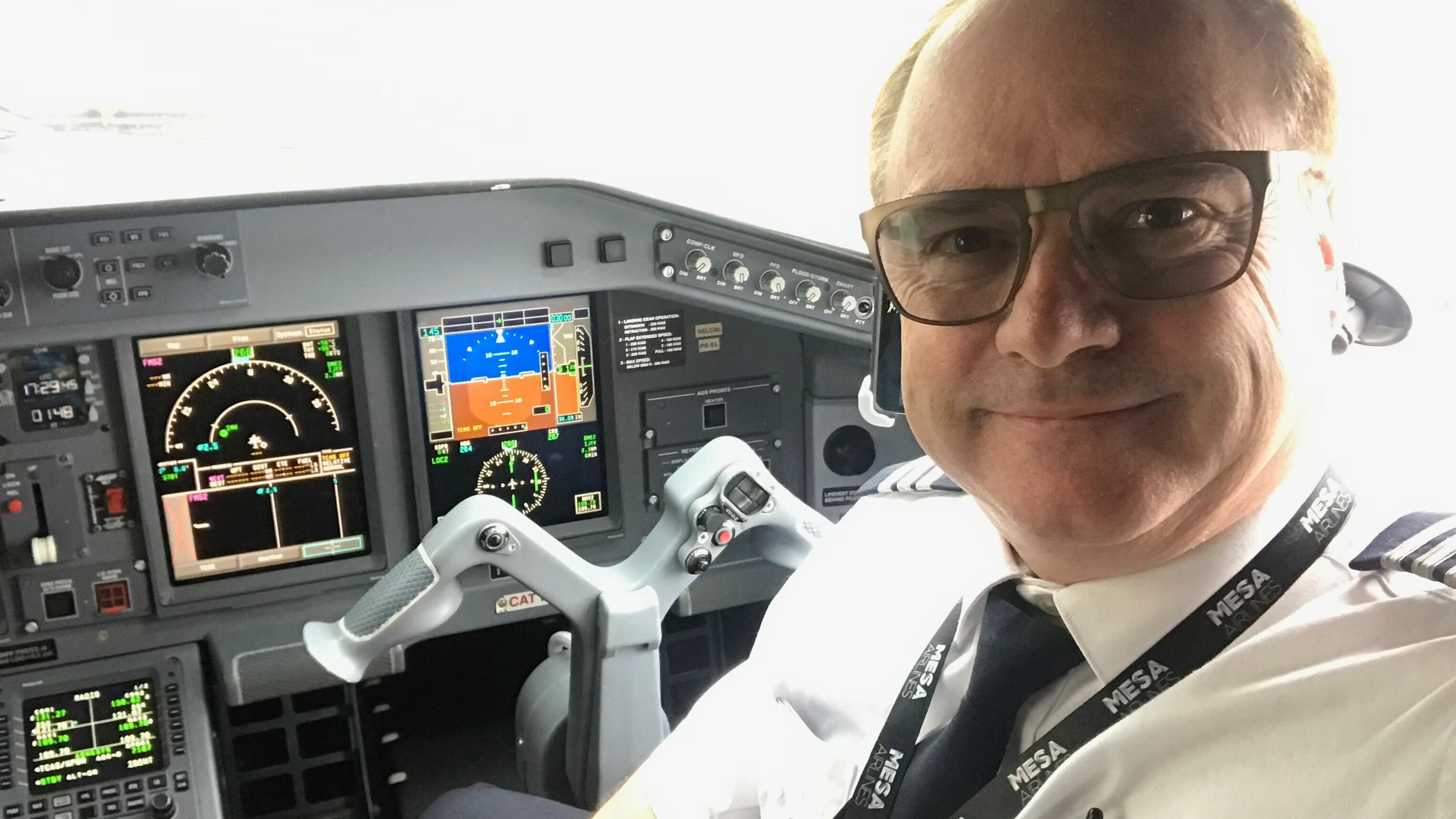
I had the opportunity to fly a few of these approaches in an Embraer 175 while employed by a regional airline. Usually, we would break out around 150-200 feet. This particular one was nearly down to minimums. The weather was about as low as it gets for this type of operation—visibility at ¼ mile and the ceiling a mere 150 feet above the TDZE. We were set up for the ILS approach to Runway 26R to KIAH (Houston Bush), and the flight deck atmosphere was a perfect mix of focus and quiet intensity.
We train extensively in the simulator for these approaches. On a Category II, the Captain assumes the role of Pilot Monitoring, while the First Officer (in this case, me) flies the instruments. The Captain’s primary task is to keep his eyes outside, watching for the first signs of the runway environment, usually the bright approach lights (ALSF), often called “the rabbits,” or the red terminating bars and side row bars that mark the start of the runway.
The idea is simple but critical: I monitor George (the autopilot) to keep us precisely on the ILS, and the Captain takes over the instant the runway environment becomes visible. Prior to him taking the controls, any action requiring disengagement of the autopilot constitutes an immediate go-around/missed approach. For you die-hard hand flyers, the use of autopilot is required by regulation.
When great CRM matters most
Before we even started the arrival, we conducted a very specific briefing, paying close attention to the weather, the missed approach procedure, and exactly how we’d handle the transition from instruments to a visual landing. Category II operations demand flawless Crew Resource Management (CRM), meaning every word and every movement is deliberate.
Since the ceiling was so low, we both knew it would come down to the wire. If we didn’t see the runway by Decision Height, the go-around would begin instantly. To make that seamless, I flew the approach with my hands on the thrust levers, and the Captain kept his just beneath mine, ready to take over for the landing or assist with the go-around if needed. The go-around button is on the thrust levers in this aircraft.
Trust your instruments, your teammate, and your training
As we descended through the murk, the windows were opaque, and the radar altimeter was winding down. I was focused on my instrument scan—200 feet… 150… 120… and then, just before 100 feet, the Captain called out, “I have the controls!” With one firm motion, he took the aircraft and pushed my hand away from the thrust levers, signaling the transfer of control. The physical action confirms the transfer. We do not respond "you have the controls" in this type of approach; saying anything may distract the Captain during a very short window to orient and land the plane.
I looked up. Out of the mist, the runway emerged, exactly where it should be. Moments later, the wheels touched down smoothly.
It’s hard to describe the satisfaction of a flight like that. Everything you train and practice, the procedures, the teamwork, comes together in those final seconds. You don’t get many opportunities to fly an actual CAT II, but we practiced them often in clear weather. When it all works perfectly in the soup, it’s a powerful reminder of why we do what we do and how vital training is.
There’s something uniquely rewarding about trusting your instruments, your teammate, and your training while flying "blind" until, almost magically, the runway appears right where it’s supposed to be. It’s the immense satisfaction of getting to do that “pilot stuff” we all dream about.

.png)