
Weather. Maintenance issues. An empty bank account. There are plenty of reasons life gets in the way of flying. It’s easy to let a month or two slip by without leaving the ground.
Yet as student pilots, many of us flew two or three times a week just to keep the momentum going.
That’s the way it is with flying sometimes. You might fly consistently for a stretch, then barely fly at all for the next few months. So why does your renter’s insurance assume you’re going to be flying regularly for twelve solid months?
The mismatch between insurance and real flying patterns
(Not that kind of pattern.) If you’re already covered by a renter’s insurance policy, you’ll know that they tend to be designed as annual agreements with fixed coverage terms and pricing structures. Once the policy is active, it generally stays the same until you renew, unless you make significant updates during the term.
Your needs can change over the same period, especially as you gain experience, become familiar with a new aircraft type, or work towards a new certificate or rating.
Yet traditional annual insurance policies generally don’t account for these changes. You pay the same whether you fly every week or only get airborne a few months out of the year. And if your flying is less consistent, a rigid annual policy can feel inefficient or harder to justify. More flexible term options can better match your coverage to how you actually fly.
Why renter’s insurance still matters
Despite inevitable fluctuations in your flying patterns, renter’s insurance is still an important part of responsible flying. Many pilots mistakenly assume that the aircraft owner’s insurance protects them. In fact, you may still be responsible for costs associated with a claim, which could leave you paying thousands out-of-pocket.
Aviation renter’s insurance typically includes coverage for things like:
- Liability coverage: this helps protect you if you’re found responsible for bodily injury or property damage caused while you’re operating a rented aircraft.
- Hull coverage: this can help cover damage to the rented aircraft itself, particularly if its owner seeks reimbursement from you after an incident.
- Deductible reimbursement: allows you to contribute towards the owner’s deductible even if you’re not found legally liable for the damage.
- Loss-of-use coverage: if the aircraft is unavailable while being repaired, the owner may seek compensation for lost rental income, and some policies include loss-of-use coverage to contribute towards this expense.
Having the right coverage can provide peace of mind when you’re flying someone else’s airplane, particularly if you’re building hours or flying unfamiliar aircraft.
The rising cost of flying
Cost is a major factor in almost every aviation decision, including insurance. Student pilots already face significant training expenses, including aircraft rental fees, instructor costs, fuel surcharges, medical certification, testing, and licensing expenses. Many of these expenses continue once you have your license, with the cost of rental and ongoing requirements putting continued pressure on your finances.
As a result, many pilots look for insurance that feels straightforward, affordable, and aligned with their actual level of flying activity. Common concerns among renters we’ve spoken to include:
- Difficulty understanding policy language
- Limited flexibility if flying activity changes
- Needing to update coverage frequently when transitioning between aircraft
For newer pilots especially, simplicity matters too. The easier coverage is to understand and adapt, the more likely you are to feel comfortable carrying it throughout your training and beyond, even when your circumstances change.
The need for flexible aviation insurance
Traditional annual insurance often fails to provide the flexibility pilots need when their flying habits change.
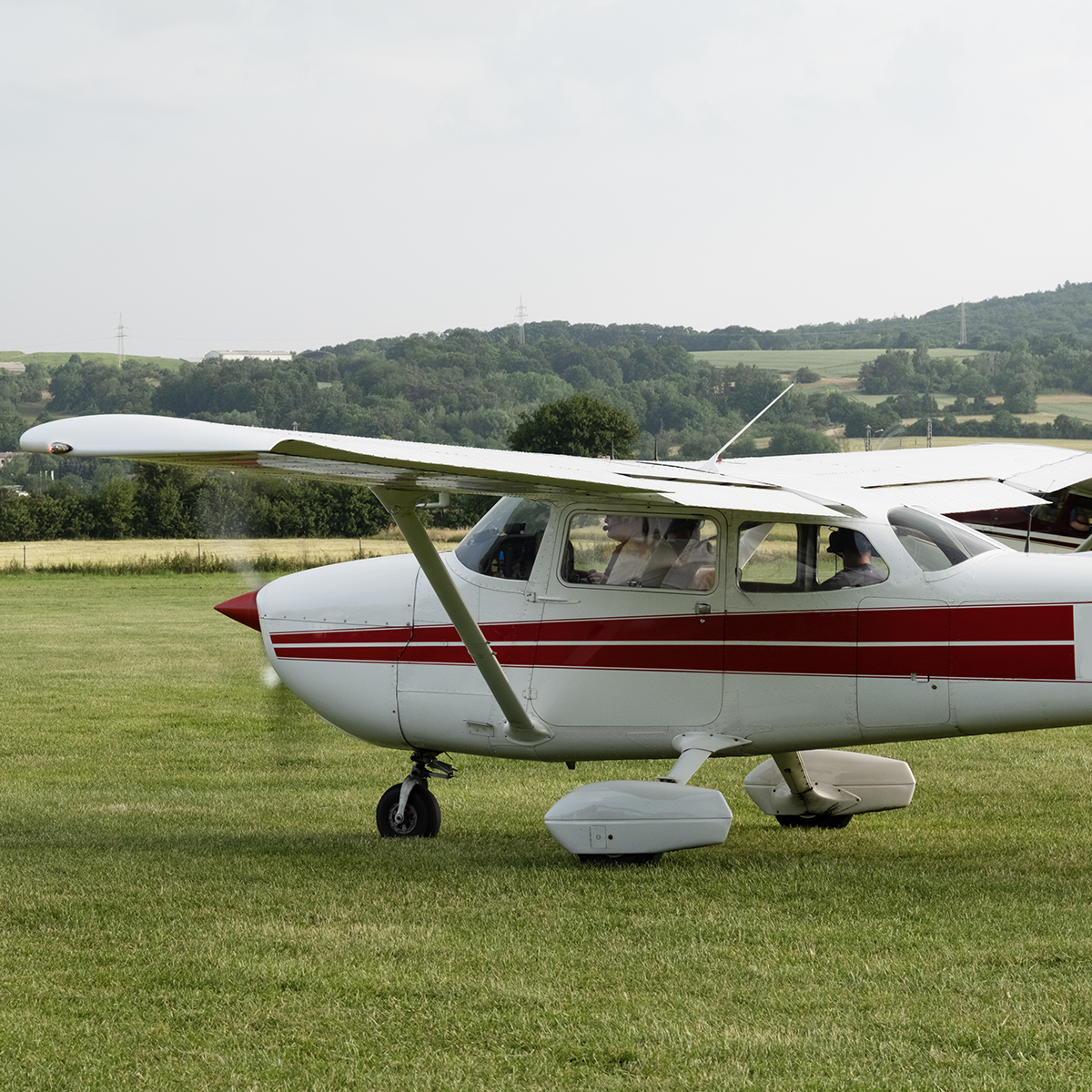
For example, if you’re a student pilot renting a Cessna 172, you may quickly progress to complex aircraft training or transition to cross-country flying. If you’re an hour-building pilot, you might have to pause your flying for a few months for cost reasons before returning to regain proficiency. And depending on where you’re based, you might do a lot of flying over the summer but less during the colder months.
These fluctuations make the right coverage fit important. Pilots often fly multiple aircraft types, build hours at different rates, gain new endorsements over time, and alternate between active and inactive flying periods. Having insurance that works across multiple aircraft types can make flying simpler and reduce the need to constantly update or change policies.
This need for greater flexibility reflects trends in the broader aviation industry. Flight training is increasingly personalized, and scheduling apps allow pilots to book aircraft more dynamically. Flying clubs and rental models have evolved to accommodate changing pilot lifestyles, including the reality that life and money sometimes get in the way of a good time.
A more modern approach to renter’s insurance
Insurance is beginning to move in the same direction. Rather than assuming every renter flies consistently all year round, the insurance world is starting to recognize that pilots engage with aviation differently depending on their stage of training, experience level, and personal schedule. For many renters, flexibility makes coverage feel more practical and easier to justify as yet another cost of flying.
Newer insurance models are emerging to better reflect this real-world flying behavior. For example, ForeFlight’s Insurance Marketplace is designed around the idea that pilots aren’t all flying on identical schedules or following the same path through general aviation. Instead of forcing you into a one-size-fits-all structure, you can choose coverage that better aligns with how you actually use aircraft, whether you’re actively training, building hours, flying seasonally, or returning after time away. You can build a policy around your specific needs, with short-term or long-term coverage options.
Even better, you can explore different coverage limits and options without any upfront commitment. That flexibility can help keep your coverage aligned with your current flying activity as your experience and needs change.
Have questions about aviation insurance? Contact insurance@foreflight.com.


.png)