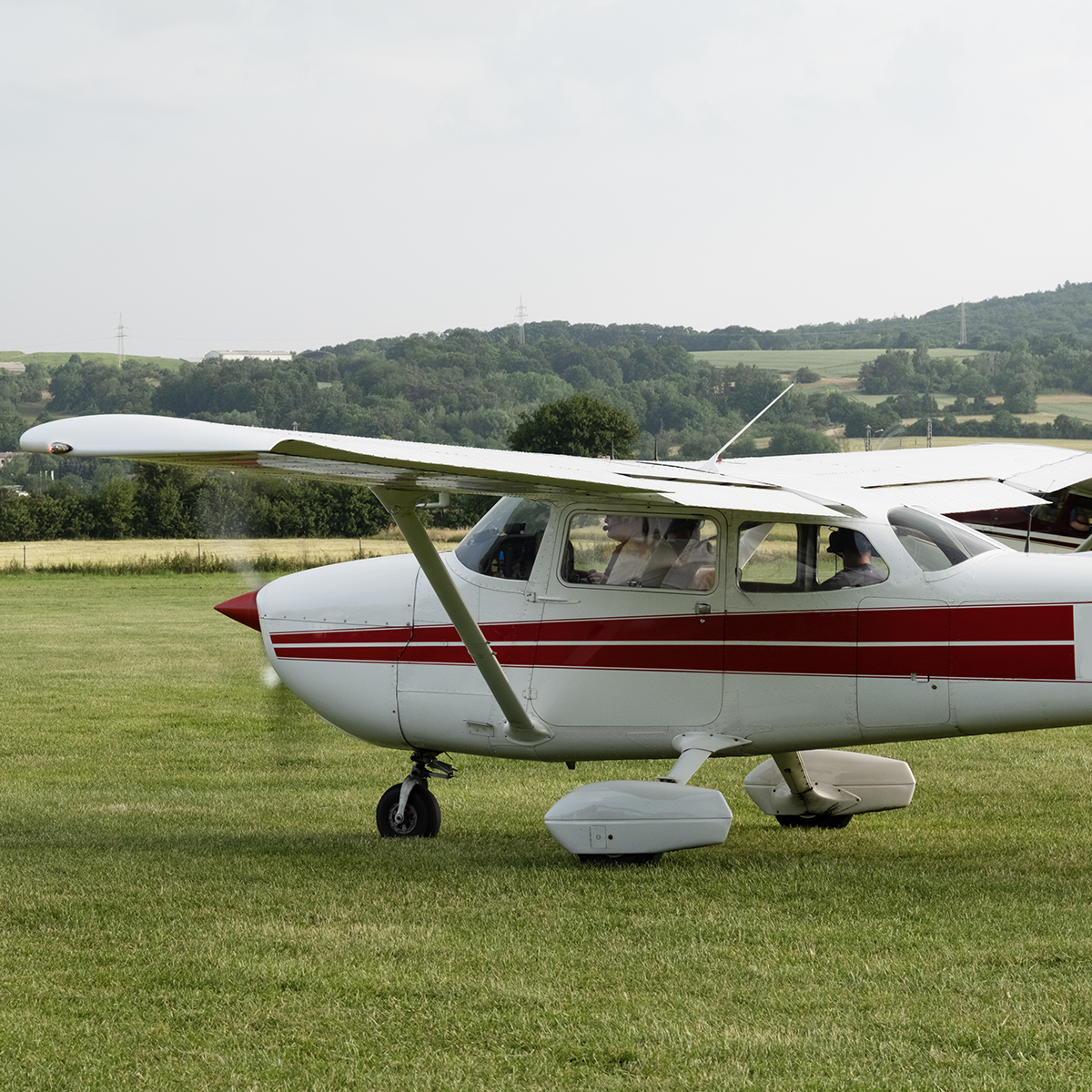
I’ve been flying out of Flying Cloud Airport (FCM) in Minnesota for more than 14 years, most of it in the same Cessna 172 from my flying club's fleet: N65045.
Most of my flights are short, familiar, and usually uneventful.
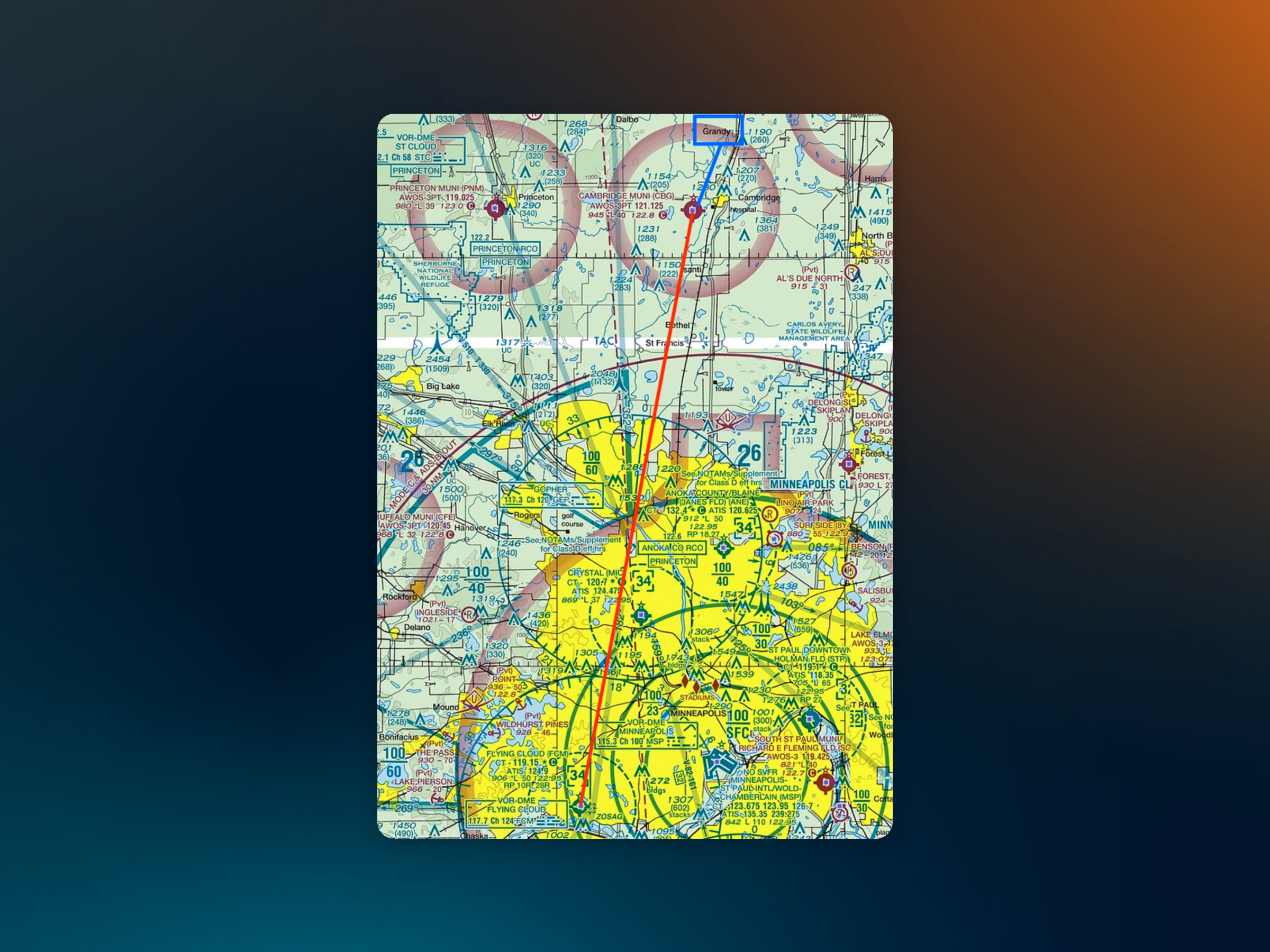
On July 8, 2023, I had a simple plan: fly north, pick up eight pieces of broasted chicken from a diner near Cambridge, bring it home for dinner, and explain to my wife why it was a good thing I was a pilot.
An ordinary preflight
The weather that afternoon was about as good as Minnesota gets: 75 degrees, a gentle breeze, and scattered clouds. A quick look at the METARs and TAFs confirmed it was perfect flying weather.
Nothing about the day suggested I would end up on the local news.
The flight to Cambridge Municipal Airport (CBG) was uneventful. I landed, grabbed the Chevy Tahoe courtesy car, and drove over to The Brass Rail in nearby Grandy to pick up my chicken.
Before climbing back into the airplane, I did another complete walk-around. That’s something I’ve always done. If I leave an airplane unattended, even for a few minutes, I do another preflight before flying home. That day was no different.
The bang
After takeoff, everything felt normal. About ten minutes into the flight, I heard, and felt, a loud bang.
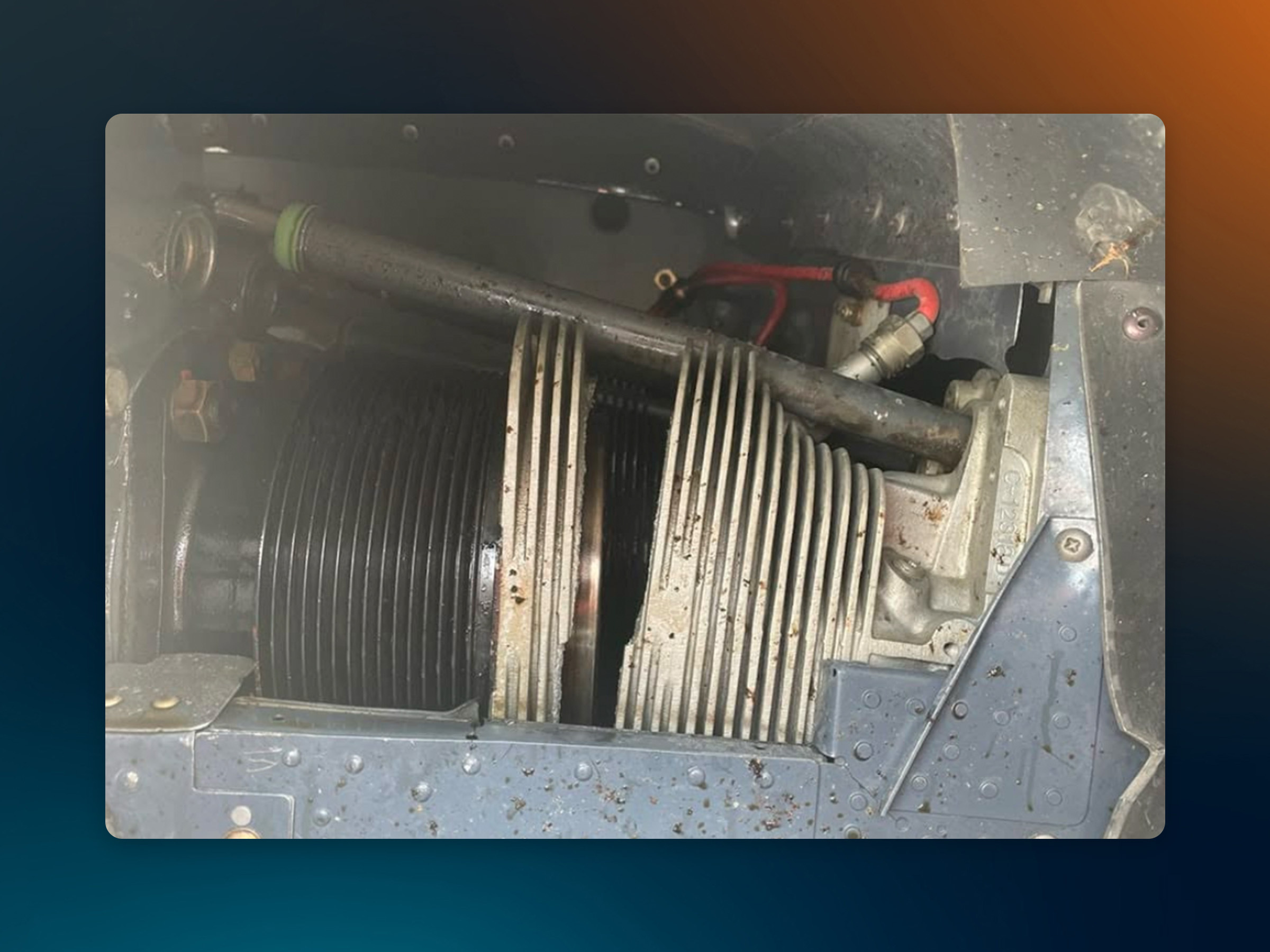
At first, there wasn’t any obvious indication of what had happened. I didn’t see any structural damage or evidence of a bird strike, but my RPM had dropped from around 1,900 to about 1,500. The airplane was still flying, but I knew something wasn’t right.
I turned toward Anoka County/Blaine Airport (KANE), about 12 miles away, and let the tower know I was coming. I also glanced down at Glide Advisor on my ForeFlight app.
At about 1,500 AGL, it showed I had just over two miles of glide range. I wasn’t thinking about an engine failure yet, but I was already paying attention to what was within reach.
Then things got worse.
Oil started misting across the left side of my windshield and I smelled smoke. I loosened my seatbelt so I could lean to the right and keep the airport in sight, and I unlatched the fire extinguisher just in case I needed it.
At 1,500 RPM, I was barely making 90 knots and slowly losing altitude. I kept the tower updated as things changed. About four miles from the airport, the engine quit completely.
Glide Advisor helped my decision
Once the engine stopped, there wasn’t much time to think. I pitched for best glide, 68 knots, and looked toward Runway 18 at KANE.
The tower kept encouraging me to continue to the airport. However, Glide Advisor in ForeFlight said I wasn’t going to make it. I did the math in my head one more time, and that math agreed that the airport was not an option.
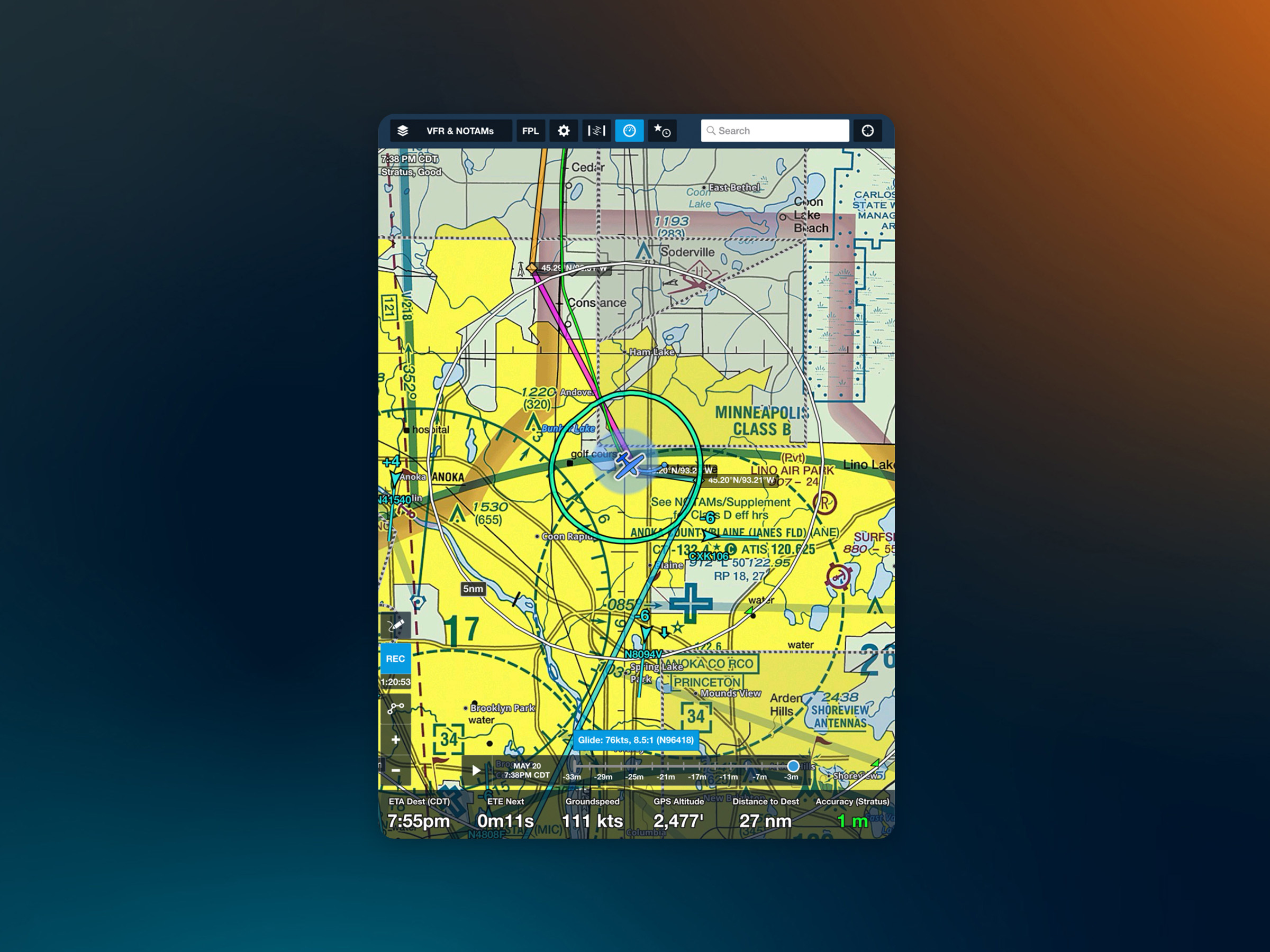
ForeFlight's Glide Advisor is a simple tool. It draws somewhat of a circle on the map showing roughly how far the airplane can glide from where you are. At that moment, it confirmed what the math was already telling me: I wasn’t going to make the runway. That let me stop hoping and start looking for somewhere I could actually land.
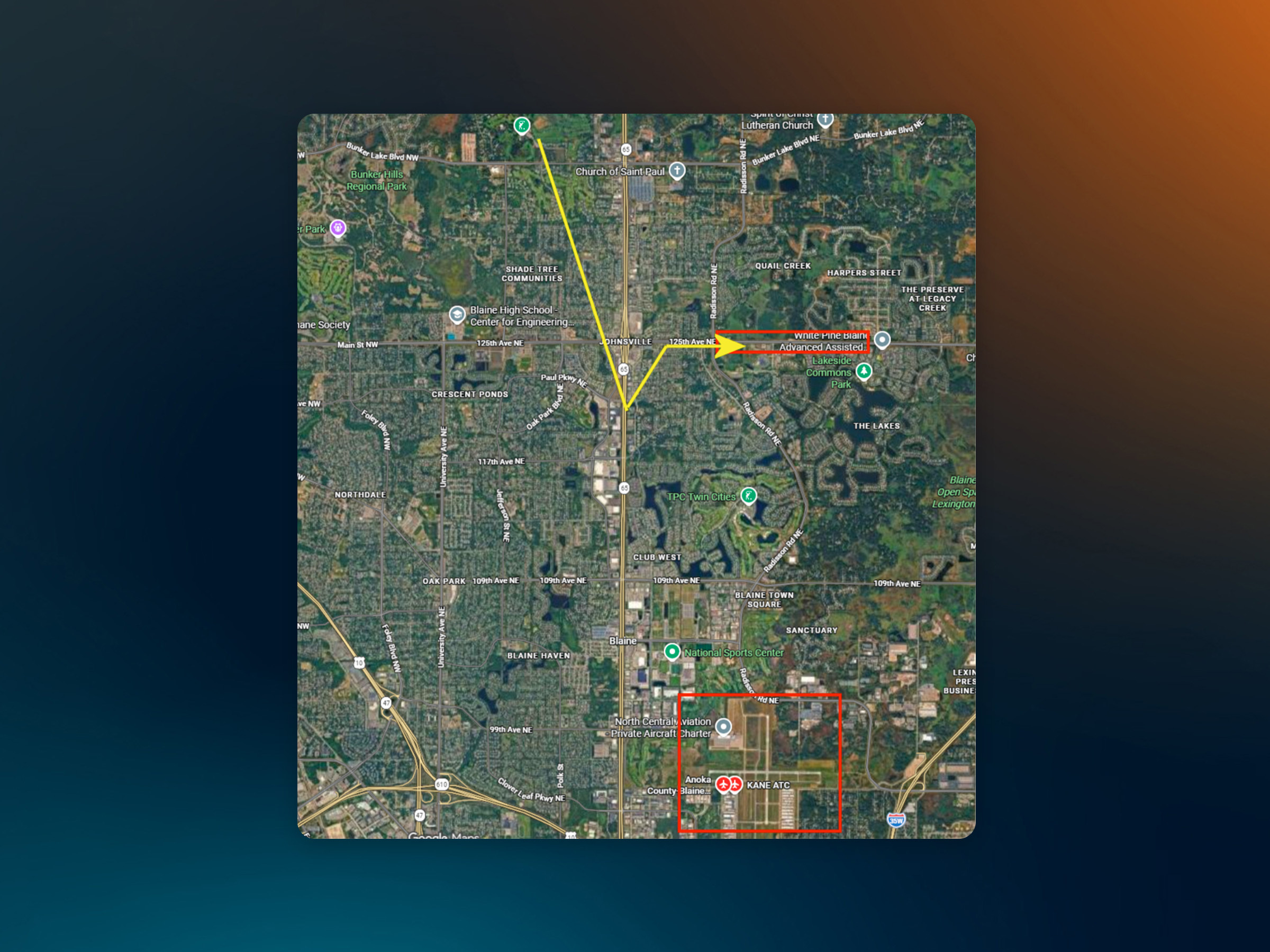
Below me, the freeway was packed with traffic. Everywhere else I looked, there were houses and trees. Then I spotted a straight residential road off my left side. That became my runway.
Landing on 125th Avenue
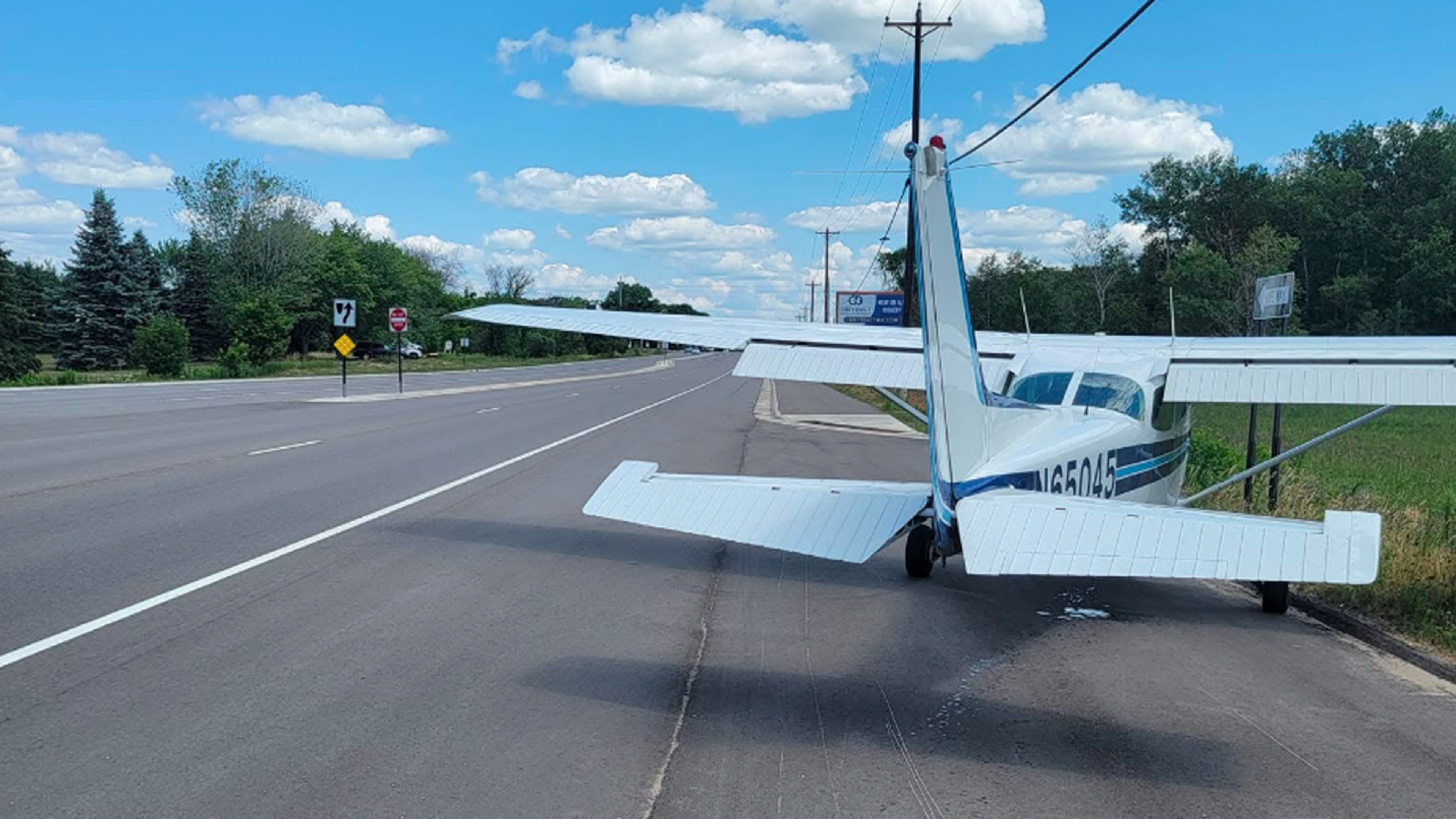
I didn’t know it at the time, but it was 125th Avenue Northeast in Blaine. Later, I learned it was only about 24 feet wide. My Cessna’s wingspan is 36 feet.
I shut off the fuel, unlatched both doors, and started configuring the airplane for landing while the oil continued covering the windshield. About 500 feet before the first traffic light, I got a break. The light turned red, opening a gap in traffic exactly where I needed it.
I was still too high and too fast, so I slipped the airplane aggressively to avoid floating and hitting the next set of lights.
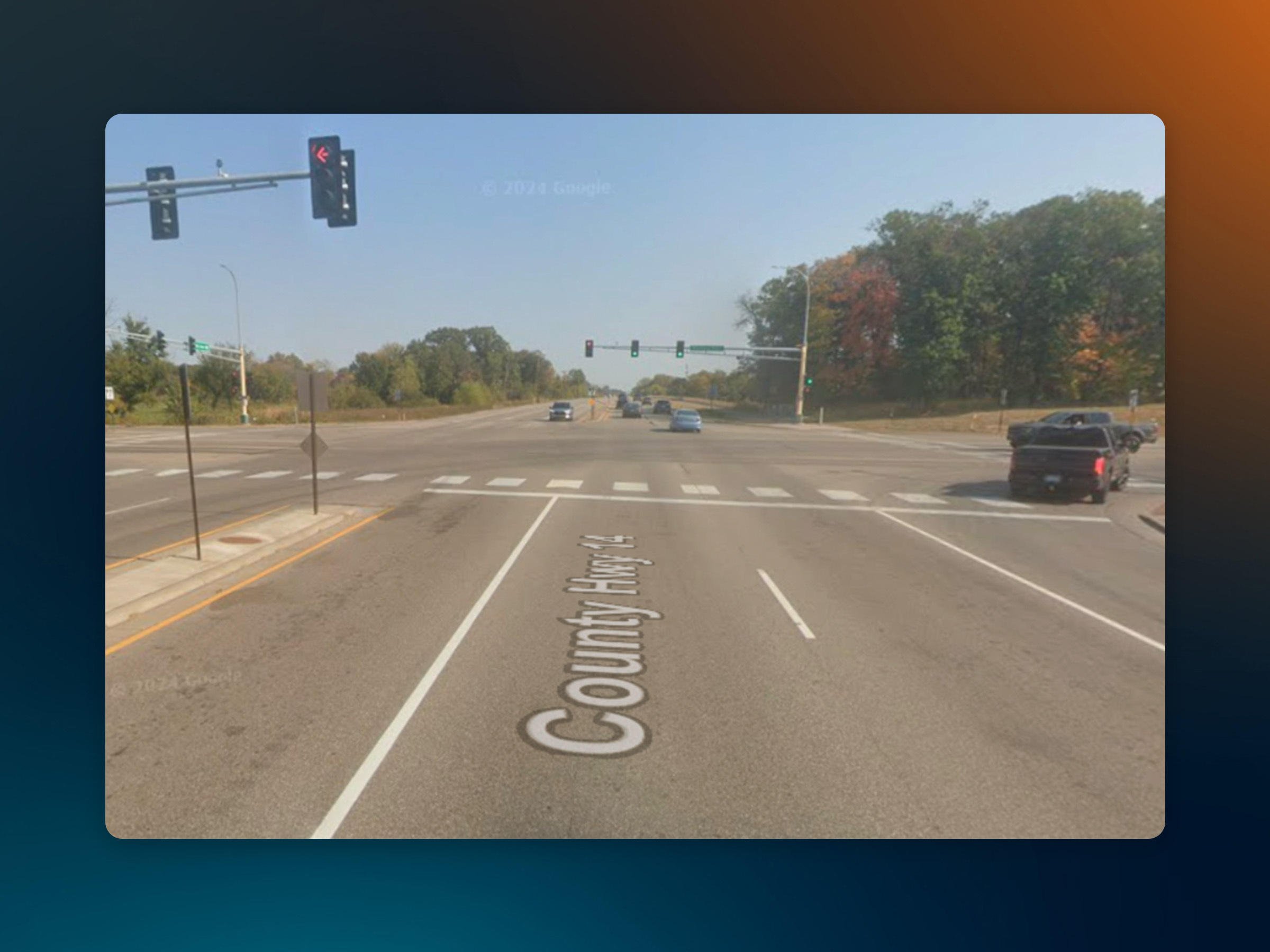
I cleared the first intersection and then a power line by a margin I still can't estimate. I pulled back the yoke hard, heard the stall horn blare, leveled out about 25 feet over the road, and touched down. From there it was all brakes and steering. I weaved around the concrete median and road signs before finally bringing the airplane to a stop.
My heart was racing. I actually pulled this off.
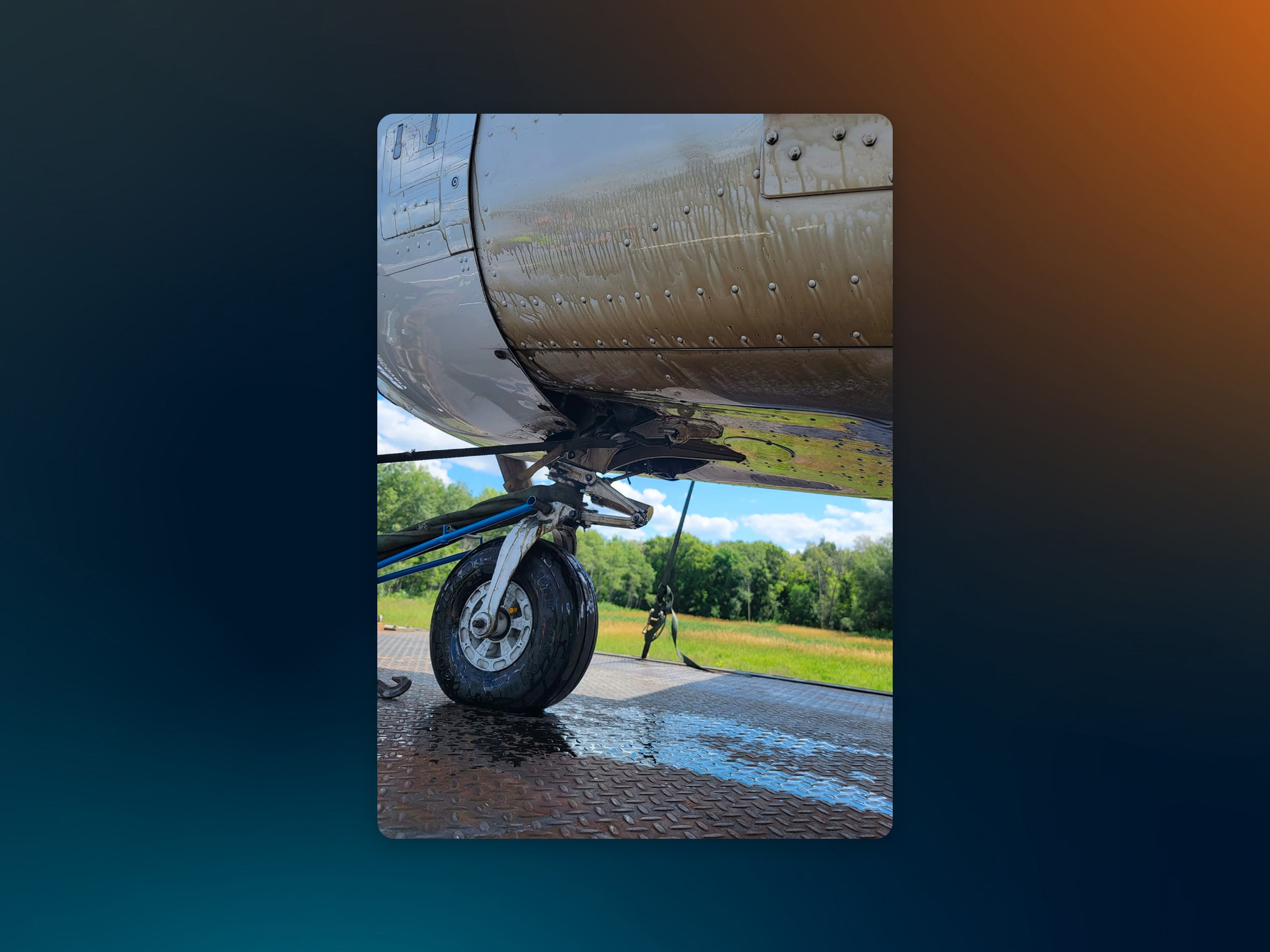
I keyed the radio: “Down safely, 045.” After relaying my location to Anoka Tower, I shut everything down, grabbed my iPad, headset, and flight bag, and towed the Cessna to the shoulder as sirens approached.
The paramedics checked me over. My blood pressure was 220/120, which probably wasn’t much of a surprise. By the time things settled down, there was already a crowd gathering along with several news crews. A police officer pulled me aside before anyone could stick a microphone in my face. “Only bad things can happen talking to the media.”
Honestly, my first thought wasn’t about the cameras. It was about the chicken still sitting in the airplane.
Looking back
I’ve thought about that flight a lot since then.
Glide Advisor didn’t solve the emergency, but it solved one very important decision and kept me from chasing a runway I couldn’t reach. When things are happening quickly, every decision matters, and every second you spend hoping instead of deciding is time you don’t get back. Glide Advisor gave me the confidence to move on and focus on finding the best place I could actually land.
I eventually got the chicken home. It wasn’t nearly as hot as I’d planned, but after a day like that, it tasted pretty good.

.png)