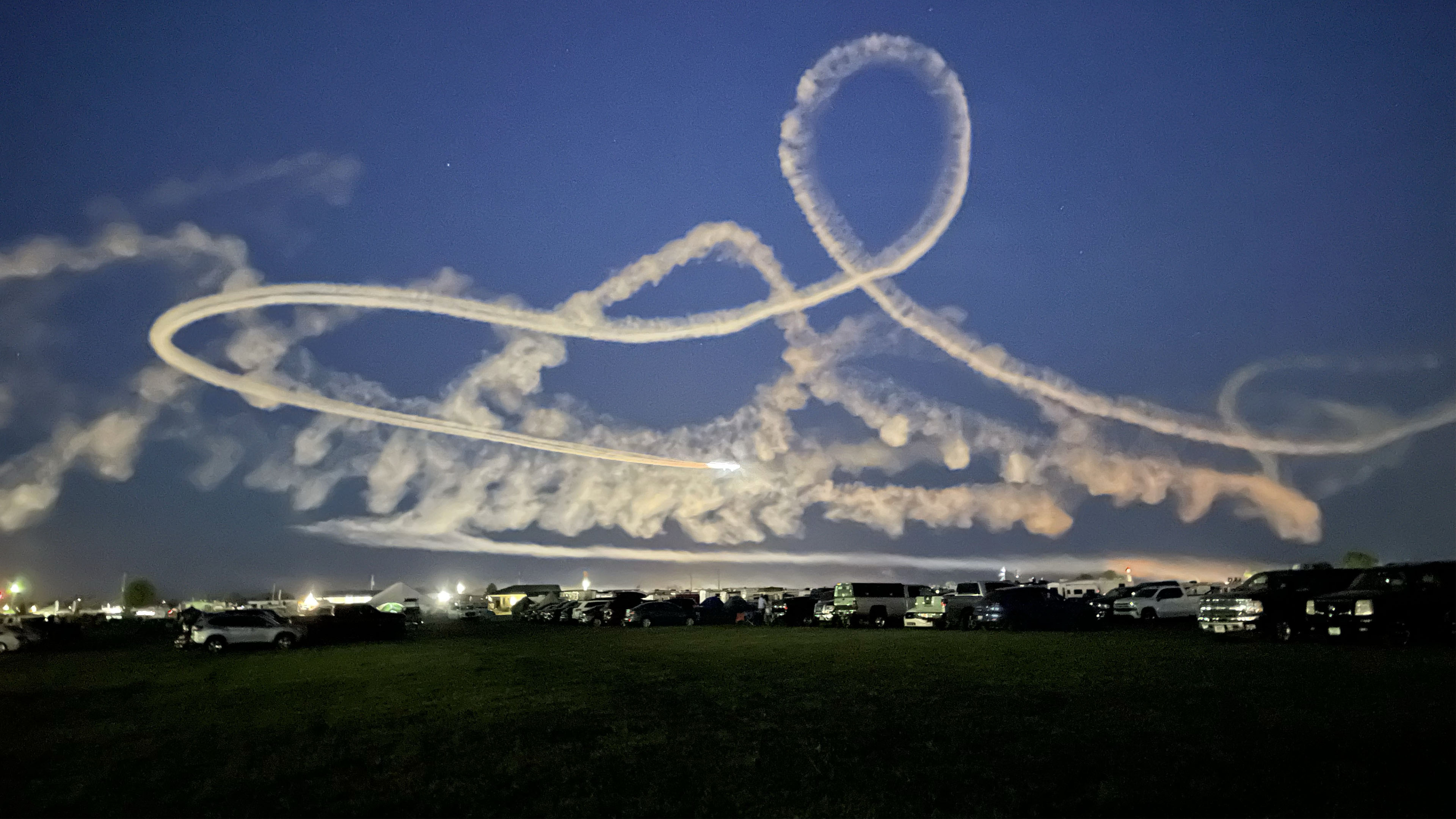
Each July, more than 10,000 aircraft converge on Wittman Regional Airport (KOSH) for AirVenture, temporarily transforming it into one of the busiest airports in the world. Yet despite the sheer volume of traffic, the arrival procedure is remarkably safe and efficient when pilots come prepared.
The absolute key to a successful Oshkosh arrival begins long before you ever say “clear prop.” Every pilot flying into AirVenture should thoroughly study the AirVenture NOTAM. Published annually by the FAA and EAA, the document outlines special arrival and departure procedures, radio frequencies, traffic flow patterns, runway assignments, and airport operations unique to AirVenture. EAA emphasizes that reading the NOTAM is not optional—it is required preflight preparation. For quick access, the AirVenture NOTAM PDF is available directly in ForeFlight by tapping Documents > ForeFlight > EAA AirVenture OshKosh 2026 NOTICE.
Preparation Is Everything
Unlike a typical airport arrival, Oshkosh requires pilots to fly highly structured visual procedures while maintaining precise speeds, altitudes, and spacing. Experienced AirVenture pilots often recommend treating the NOTAM like an instrument approach plate: study it, brief it, and know it before departure.
EAA has also produced several training videos demonstrating the arrival process, including runway-specific landing techniques and visual tours of key reporting points. Reviewing these videos beforehand can help pilots visualize the procedure and reduce workload on arrival day.
Before departing, pilots should also consider fuel reserves carefully. Traffic volume, weather delays, holding, and go-arounds can all extend flight time, far beyond what most would typically expect.
Before departing, pilots should use every tool available to build an accurate picture of the day ahead. ForeFlight’s weather briefing, radar, and fuel planning tools can help identify potential delays, changing conditions, and fuel requirements before they become a problem.

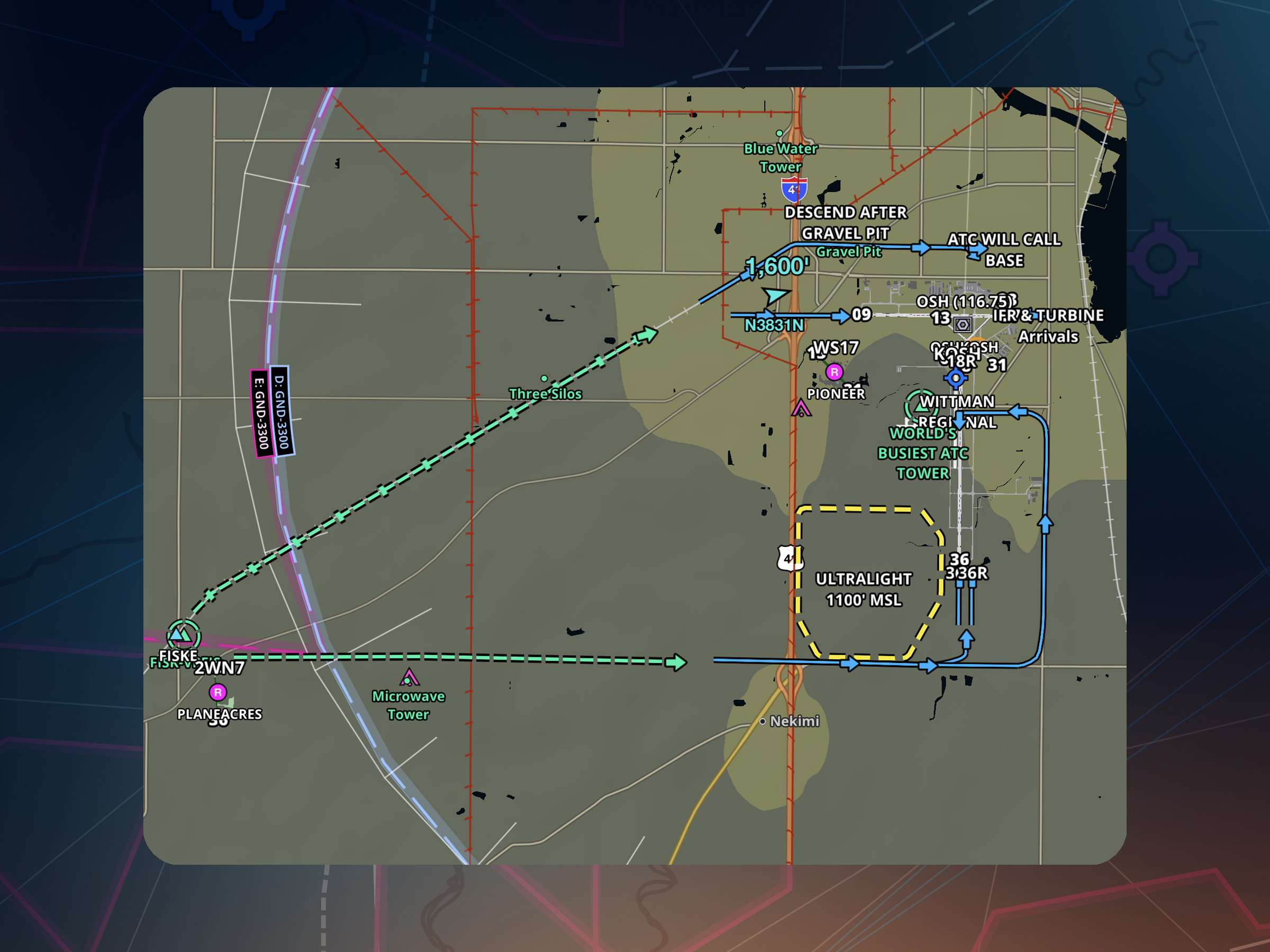
Pilots can also see the Fisk Arrival directly on the Aeronautical Map to brief the entire arrival corridor before departure and see each published reporting point along the route.

The FAA advises pilots to have sufficient fuel for unexpected delays and to divert if fuel reserves become a concern. Pilots who attempt to use the “minimum fuel” excuse can expect to be turned away.
The Fisk Arrival
The primary VFR arrival into Oshkosh is the famous Fisk Arrival. The procedure begins southwest of Oshkosh near Ripon, Wisconsin, where pilots join a railroad track that leads northeast toward the town of Fisk. Visual navigation is essential, and pilots are expected to identify landmarks and follow the tracks while maintaining appropriate spacing behind the aircraft ahead.
Pilots should monitor the arrival ATIS at least 60 miles from Oshkosh to determine which transition points and runways are active. Depending on traffic volume, ATC may direct arrivals to begin at Ripon or one of several additional transition points, including Green Lake, Puckaway Lake, or Endeavor Bridge.
For most aircraft, the standard arrival profile is 90 knots indicated airspeed at 1,800 feet MSL. Faster aircraft may be assigned 135 knots at 2,300 feet MSL. Maintaining the assigned speed and altitude is critical because the entire system depends on predictable spacing between aircraft. Pilots should remain at least one-half mile behind the aircraft they are following and avoid overtaking slower traffic. S-turns are discouraged; if spacing cannot be maintained, pilots should exit the procedure and re-enter.
Although this might seem like a lot, modern flight planning tools have made preparing for the Oshkosh arrival easier than ever. ForeFlight users can build the Fisk Arrival into their route ahead of time by entering the published reporting points and transition fixes directly into their flight plan. Pilots can use the exact waypoints published in the NOTAM to create a visual roadmap that appears both on their phone, tablet, and, if properly equipped, right on the panel of their aircraft.

While pilots must still navigate visually and follow all NOTAM procedures, using ForeFlight to pre-load the arrival route helps reduce workload and makes transitioning into one of the busiest airspaces in the world surprisingly straightforward.
“Rock Your Wings”
One of the most recognizable moments of the Oshkosh arrival occurs at Fisk. Air traffic controllers stationed on the ground visually identify aircraft and issue instructions using aircraft descriptions rather than tail numbers.
A typical call might sound like, “White Cessna over Fisk, rock your wings.”
The pilot acknowledges not with a radio transmission but by physically rocking the wings. Controllers then assign a runway and direct the aircraft toward the appropriate approach path. This highly visual process helps reduce radio congestion while allowing controllers to move tremendous amounts of traffic efficiently.
Landing on the Dot
After Fisk, pilots are assigned to one of several runways, often with instructions to land on a specific colored dot painted on the runway surface. It is common for multiple aircraft to land simultaneously on the same runway and, yes, even the parallel taxiway.
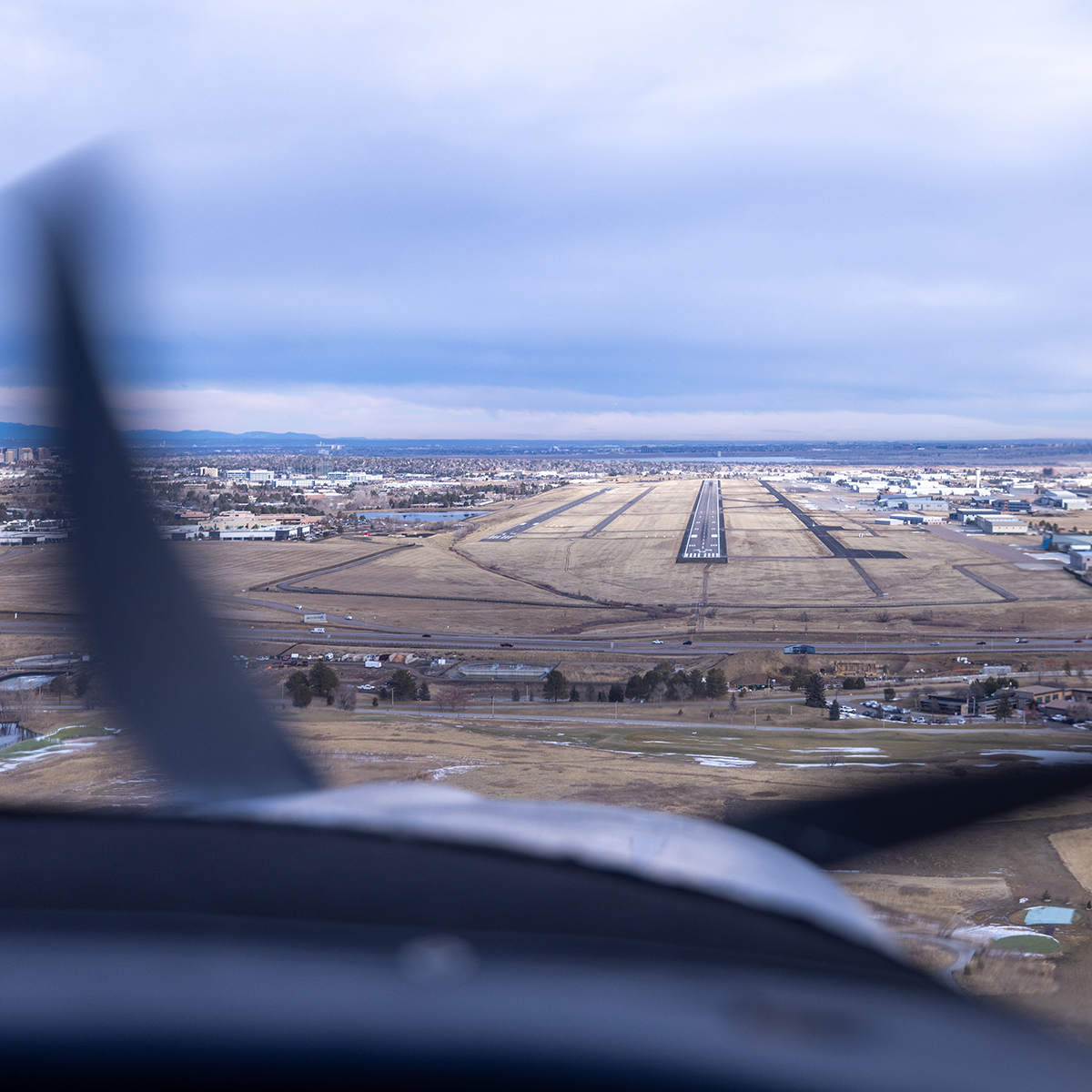
AirVenture specific patterns used at Oshkosh differ from standard airport operations. Pilots are encouraged to descend earlier than normal, reach approximately 1,300 feet MSL by the base turn, and be stabilized and wings-level on final at roughly 1,050 feet MSL. These techniques help maximize runway efficiency while maintaining safety.
Most importantly, EAA repeatedly reminds pilots not to force an unstable approach. If the spacing, alignment, or approach profile does not look right, executing a go-around is always acceptable. Controllers are prepared for go-arounds and will provide instructions to safely rejoin the flow.
A few tips straight from Oshkosh ATC: For Runway 27, begin your descent after the gravel pit and expect controllers to call your base turn. Avoid extending your downwind toward the water unless instructed. For Runway 18, expect to turn base near the tower, generally at or just south of the blue dot. As always, follow controller instructions, which may vary depending on traffic and operating conditions.
Navigating the taxi in
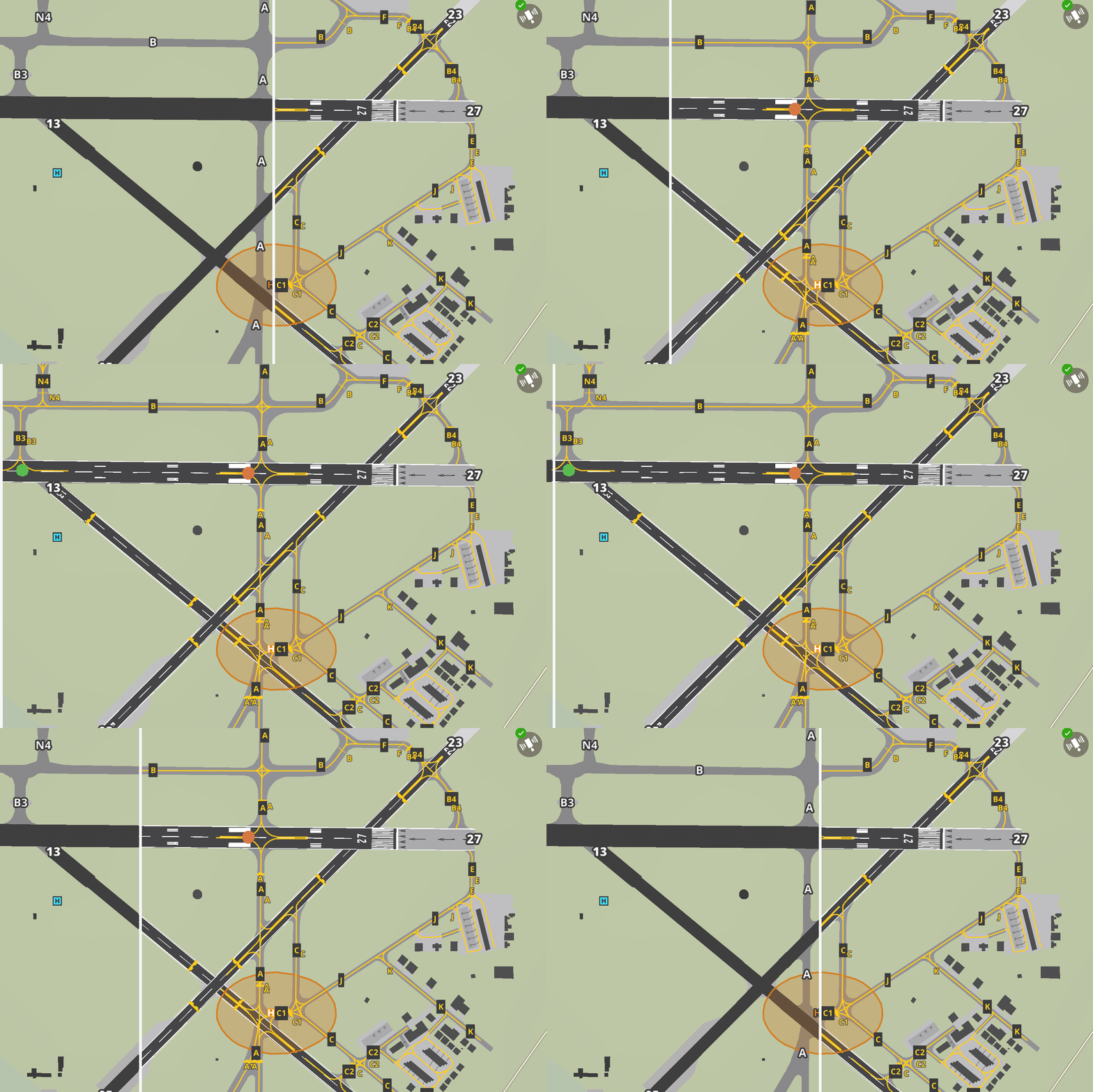
After touchdown, your work isn't over. Taxi operations during AirVenture can be just as busy as the arrival. New Enhanced Airport Diagrams in ForeFlight display clearer taxiway labels, hold short markings, and runway hot spots directly on the map, making it easier to brief your taxi route before landing and stay oriented once you're on the ground.
Common Mistakes
Ask any Oshkosh veteran what causes the most problems, and the answer is usually the same: pilots who arrive unprepared.
Many pilots and controllers agree that a large number of arrival issues can be traced back to someone who did not adequately review the NOTAM. Maintaining proper spacing, understanding transition points, anticipating runway assignments, and knowing go-around procedures all contribute to a smoother and safer arrival.
The same preparation applies to your cockpit setup. Having your route, charts, NOTAM, and arrival information ready before departure allows you to spend more time focused on flying the airplane.
The arrival may seem quite intimidating at first but the process is surprisingly straightforward once understood and attempted. The visual landmarks are easy to identify, the procedures are well defined, and the controllers are exceptionally skilled at managing traffic.
The Reward
Flying into Oshkosh should be at the top of every pilot’s aviation bucket list. There is simply nothing quite like joining the procession of aircraft along the railroad tracks, rocking your wings for Fisk, and touching down on a colored dot alongside fellow aviators from around the world.
While the arrival may seem daunting, success comes down to preparation. Read the NOTAM, watch the videos, brief the procedure, load your route, and arrive with a plan. Do that, and you’ll quickly discover why flying your own airplane into AirVenture remains one of general aviation’s most memorable adventures.