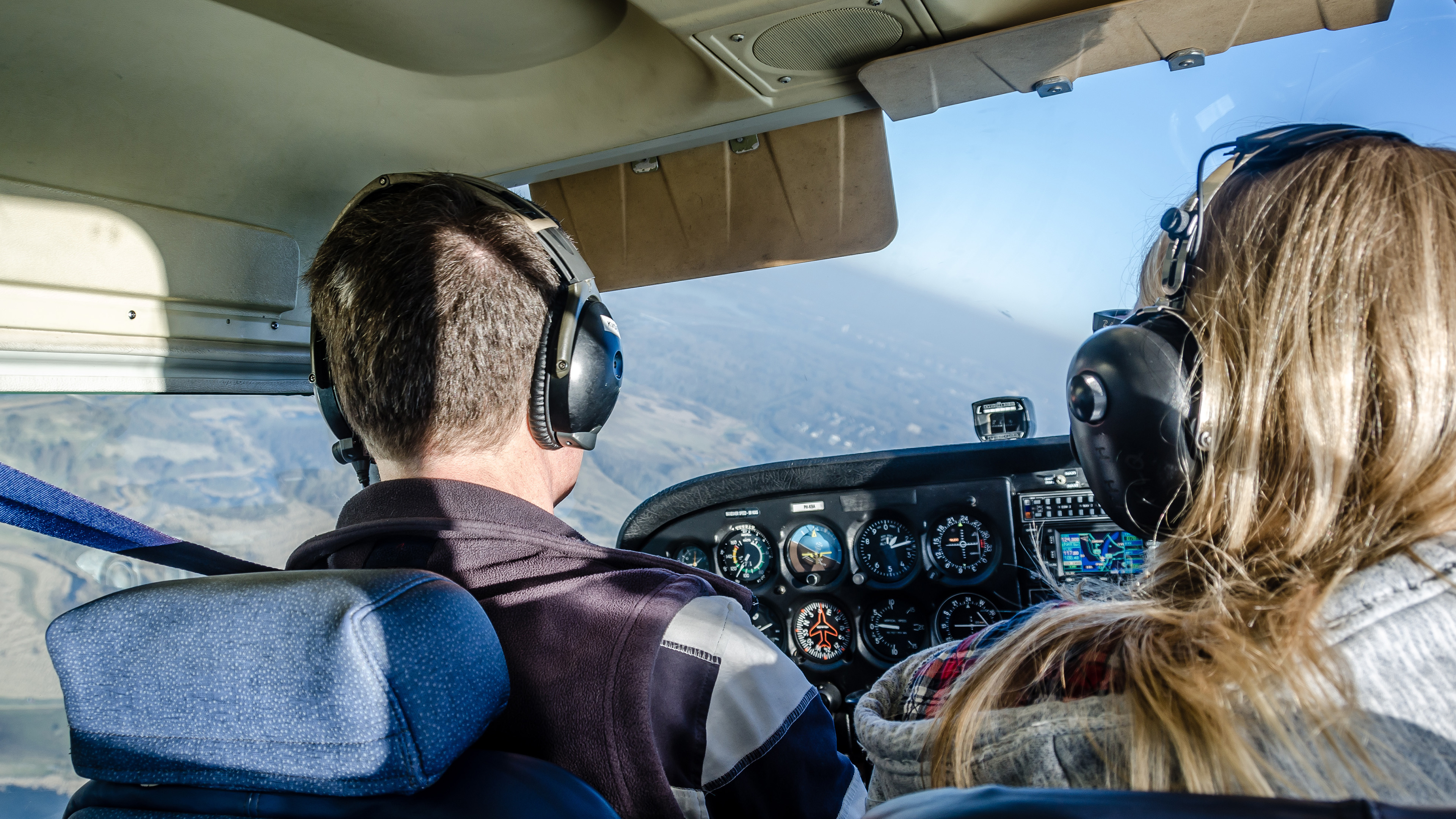
One of my favorite things to do as a pilot, as it is for many of us, is to expose someone to general aviation flying for the first time. Most often it’s a child or adolescent who usually comes at it with wide-eyed amazement. Sometimes it’s an adult, who approaches flying with anything from anxiety to, well, pretending not to be anxious. In either case, your job is to make the experience enjoyable and fun—and maybe get someone hooked on the aviation bug.
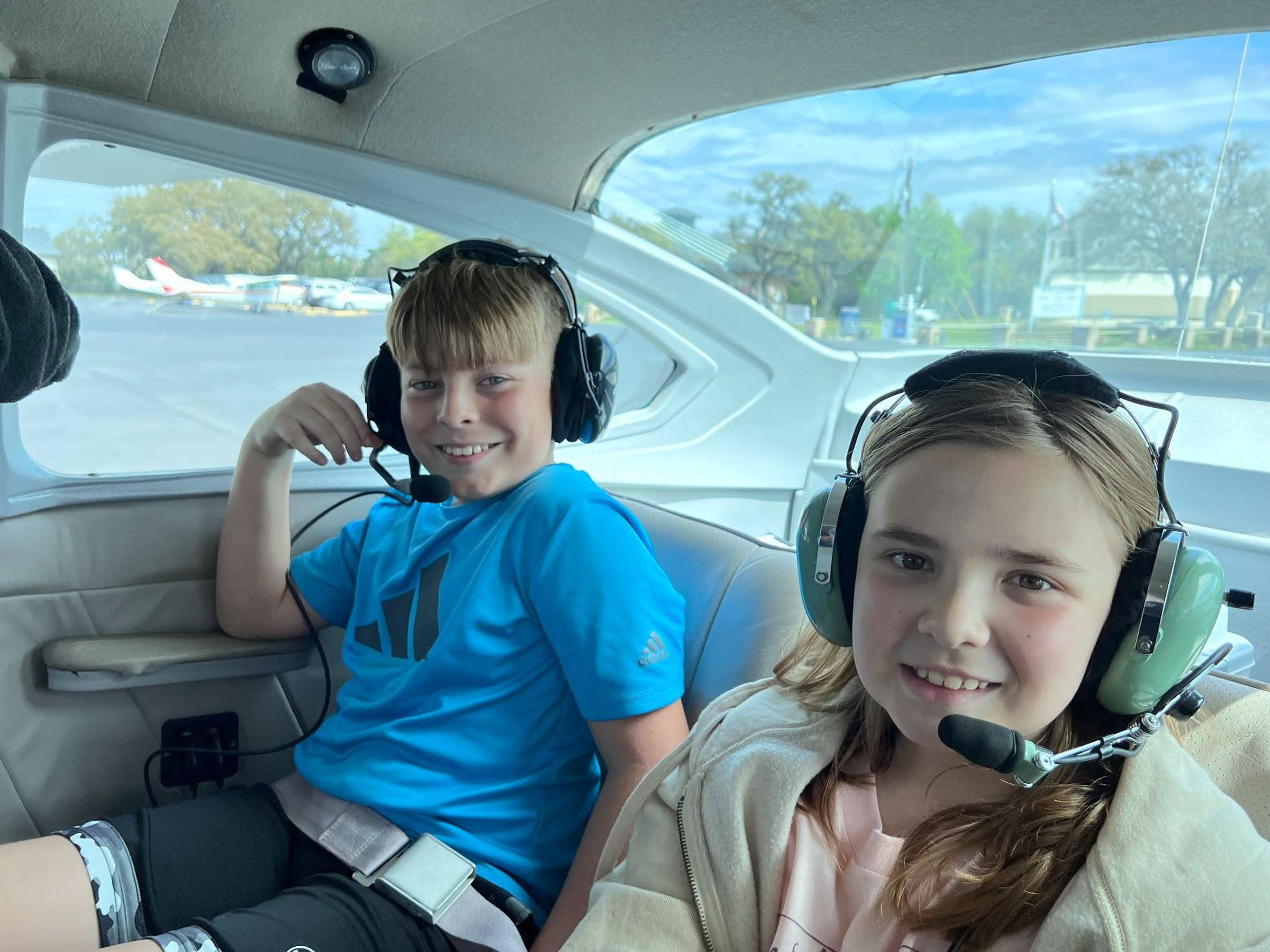
Using ForeFlight on a discovery flight, although obviously not required, can help make that first experience more enjoyable for a first-time flyer. It can be especially helpful to review track logs, weather, and other data after the flight to make connections between what your passenger experienced in the air once you’re back on the ground.
Before the discovery flight
But before I dive into that, it’s worth covering some general guidance on how to make that first flight really enjoyable, whether you bring ForeFlight along or not. Your top priority as PIC is to make the flight fun and safe—and hopefully get another person hooked on aviation.
Here are some general guidelines I use when taking someone up for the first time:
- Ask your passenger how much they want you to explain things to them. If my passenger wants to know it all, I walk through my pre-flight and explain everything. If not, I take my wife’s advice and try to remember that “just because it’s interesting to you, doesn’t mean it’s interesting to everyone else” and I keep it brief. Sometimes brevity elevates the experience for people.
- Take the safety briefing seriously, but try to make it a little lighter. “Here’s how you open the door—and in an emergency you’ll be able to open it, even in the air” vs. “I’m going to ask you to open your door right before an off airport landing.”
- Plan for three different flights. The first flight is a single lap in the pattern; tell your passenger beforehand to expect you to ask them on crosswind if they’re ok to keep going. The second flight departs the pattern, but stays within 5-7 min of the airport. The last flight is the one you really want to take—for the $100 hamburger or scenic flight over the city (or whatever great experience you’ve come up with). If they’re still saying “let’s go” after the first two, then go for it.
- Consciously avoid vocalizing minor issues with expletives (ask me how I learned this one). Don’t say “oh crap” out loud when you simply dialed in the wrong frequency.
- Make a game of them finding other aircraft. It's always good to have someone else looking out the window for you.
- Avoid “floating the dog” or any other antics. Even demonstrating some normal maneuvers like stalls and steep turns can be unnerving for first-time flyers. Focus on keeping the flight smooth, calm, and uneventful.
Setting up ForeFlight for your discovery flight passenger
Now that you’re set up for a fun discovery flight, how do you make it even better? With ForeFlight of course! One of the reasons I like to bring ForeFlight on a discovery flight is because everyone loves an iPad and you can set it up with a simple display so it’s easier to understand than all the instruments, knobs, and switches in the cockpit. I like to hand my iPad off to the passenger and just use my iPhone (remember, you can have ForeFlight on up to three devices with just one subscription*).
Here’s how I configure ForeFlight for the best passenger experience:
- Declutter the map. Turn on the aeronautical layer but turn off all elements except airports.
- Turn on roads and Place Labels. Open the Aeronautical Settings menu on the left side of the Maps view to enable roads on the map and toggle on Place Labels. This will look more familiar to them and help them get their bearings as to where they are. If an internet connection is available in flight, turn on the Street Map or Aerial Map layer in the Layer Selector for an even more familiar view.
- Turn on the instruments at the bottom and show groundspeed, gps altitude, height AGl, flight time, track, and horizon distance (which is a fun one). All easily explainable and not dependent on the flight plan.
- Create a custom layer of local points of interest. I have a special layer I’ve created for the central Texas area that has notable landmarks that are easily seen from the air.
- Turn on the traffic layer (if you have a Sentry or other ADS-B in source). Turn on traffic breadcrumbs and show them how tapping on the traffic shows the path they’ve taken, which gives you a much better idea of what they’re doing. Have them try to spot the aircraft once they’ve clicked on it. You can easily make a game of this one.
- Turn off alerts. Many alerts can confuse or simply alarm passengers.
- Don’t forget to hit that record button on the track log - it’s a great one for the memory book.
Once we’re back on the ground, I’ll often let my passenger play with the track log and have them explain to whomever was waiting for them where we went and what we did.
Flying with kids
If you plan to take up minors, you should absolutely get their parents permission even if they are 17 ½. I’d also recommend you look into flying for programs like Young Eagles if you’re interested in making discovery flights a regular part of your flying,
The flight they’ll never forget
At the end of the day, the thing your passenger will remember most about their first discovery flight is how they felt. Including them in the details, helping them understand what’s happening, and making them feel safe are the best outcomes you can give them as PIC.
No matter what tools you choose to fly with, ultimately you set the tone. Taking time to set up the flight and your ForeFlight app in a way that works for your passenger will help you give your attention to what matters most—the joy of showing someone the world from above for the first time.
*Three total either one iPhone and two iPads or two iPhones and one iPad.