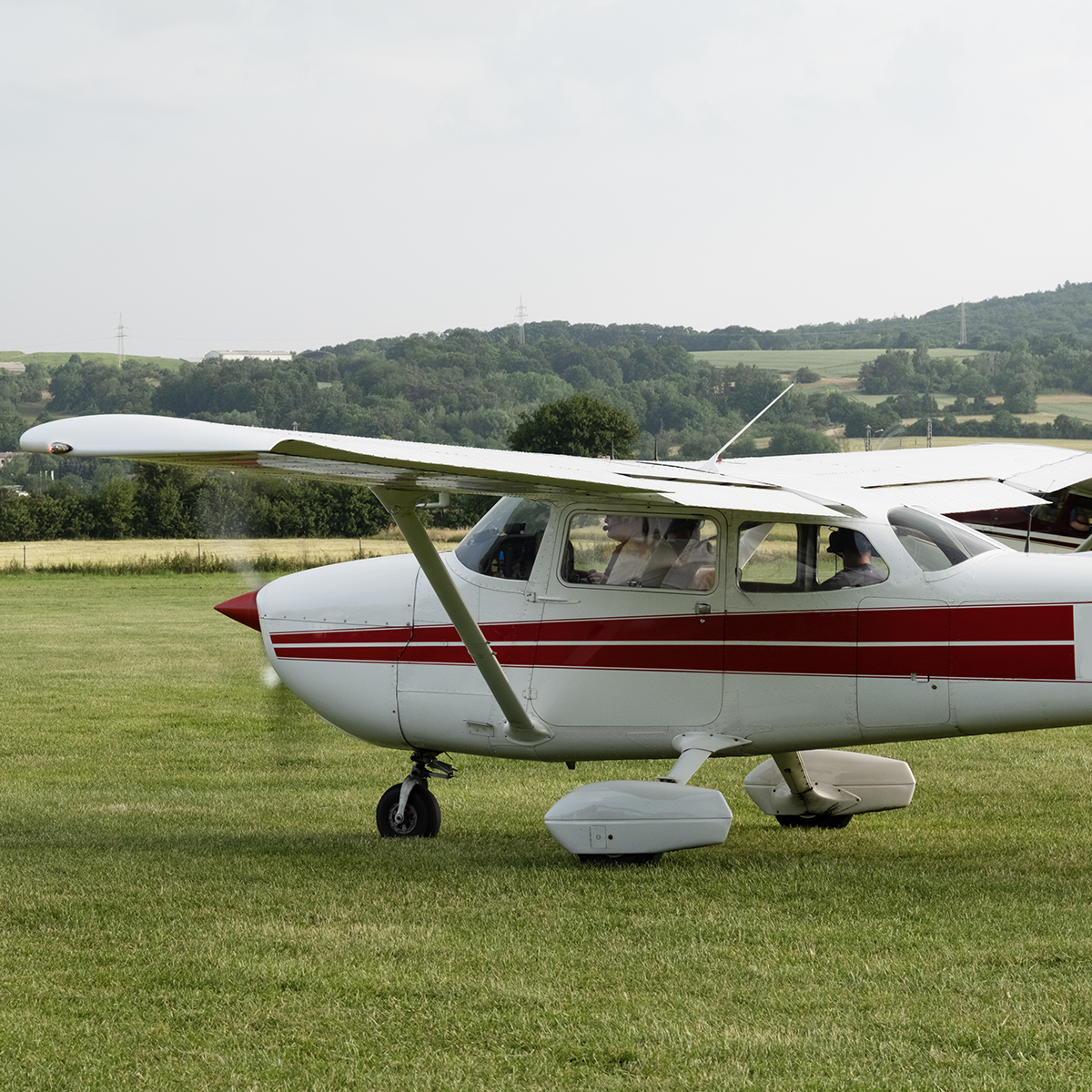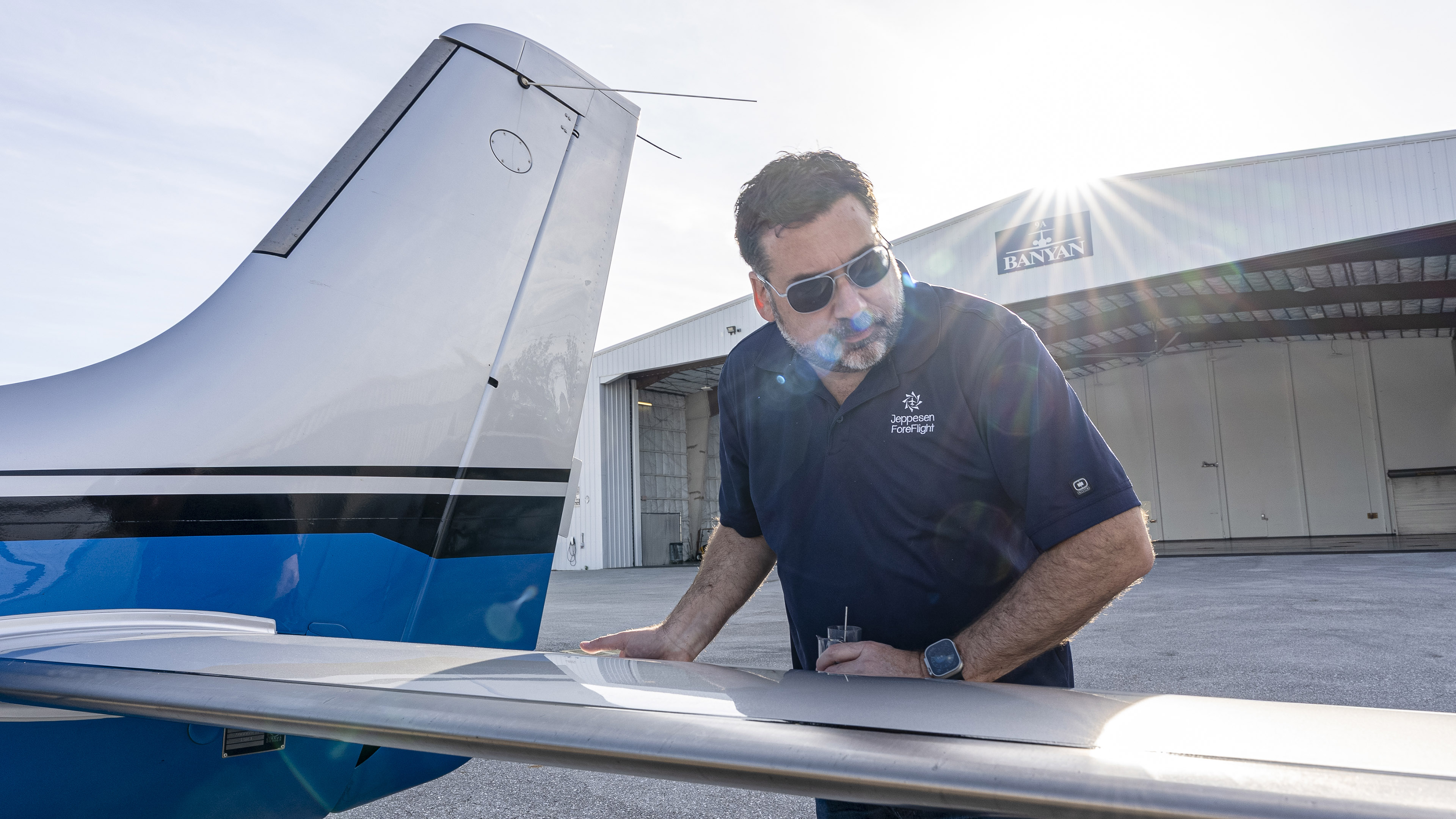
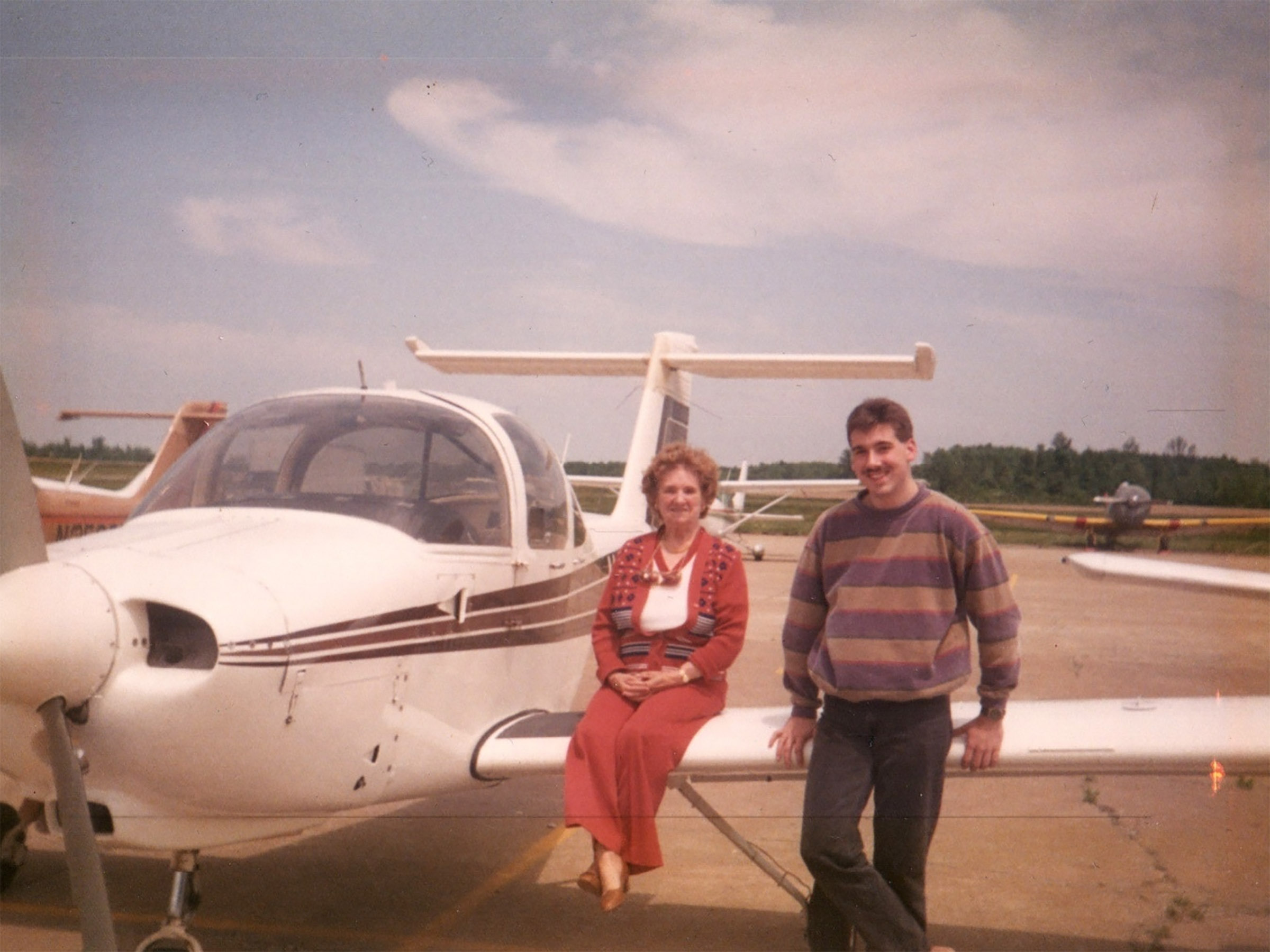
Thinking back on my time in the cockpit is pretty wild. I picture what 16-year-old me would think if he knew what I know today. I started learning to fly in a Piper Tomahawk. Steam gauges, paper charts, weather briefings on the phone with a human being on the other end. No iPhones. No ADS-B. Not even a dream of it. It was the beginning of my aviation journey, but it also became part of my identity.
Looking back, I realize aviation shaped how I approached problem solving and risk long before I understood that about myself.
Then life happened
I earned my pilot's license at 17 and kept flying through my twenties, including a couple of years flying in Australia, where I lived at the time. And then, as a lot of people can relate to, life happened. Got married, bought a house, raised a family, focused on building my career. Before I knew it, 25 years had passed. I'd blink and another year was gone.
What makes that gap stranger is that I eventually ran a major aviation company and still didn't fly. I had every excuse and used all of them. I was surrounded by aviation every single day. I understood our products, I believed in them, I used them. But I wasn't flying. There was always a reason (or an excuse, depending on how you look at it). Another responsibility, another move up the ladder, another thing that felt more important. Flying was always something I planned to get back to, just not yet.
Becoming a student again
Eventually, "not yet" became "now." And to be fully transparent, it was intimidating. Not the flying itself, but becoming a beginner again.
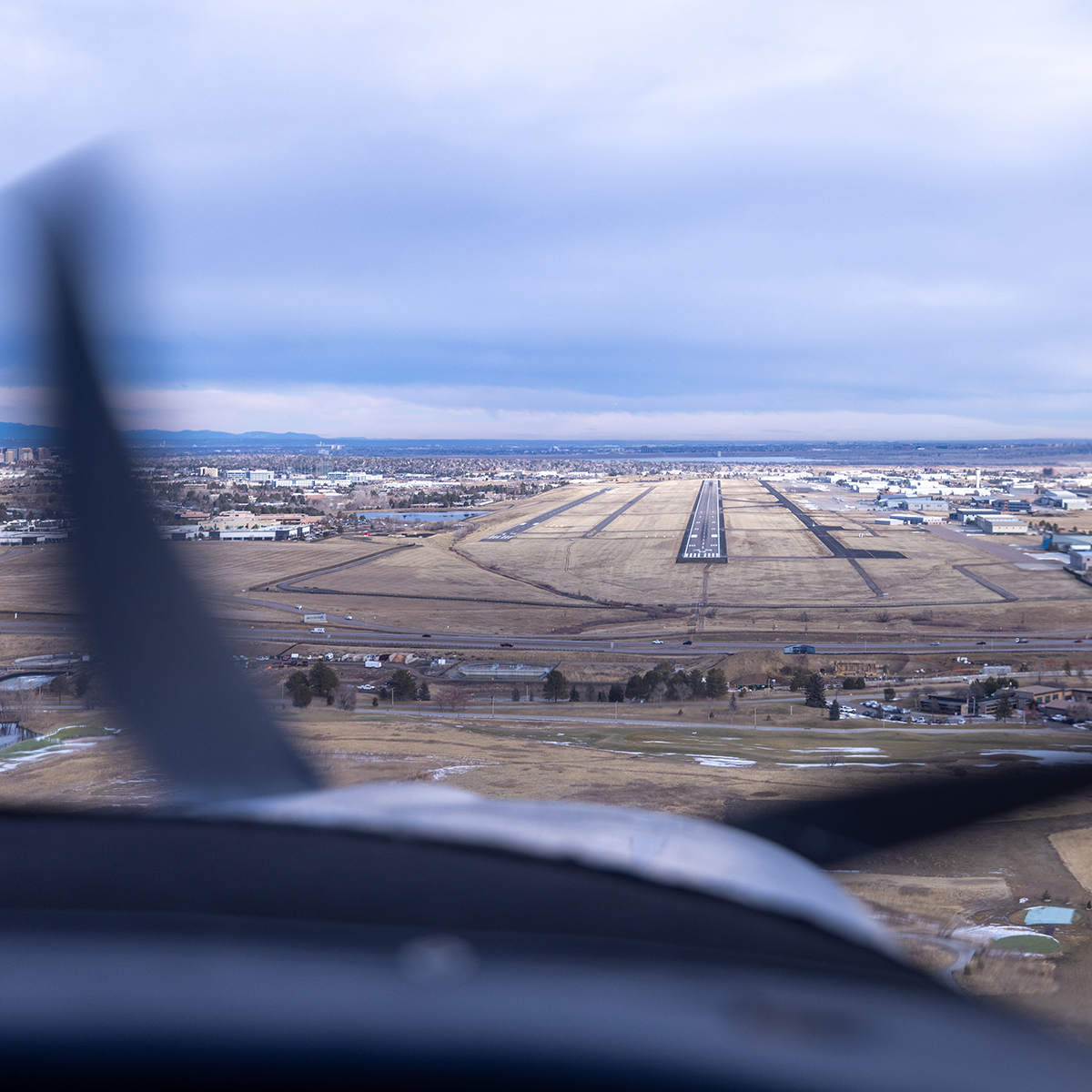
I still remember my first flight back after 25 years away, in a Piper Archer. When it came time to land, I somehow greased the first one. I remember thinking, "Alright, I've still got it." Then the second landing brought me back to reality pretty quickly. It turns out 25 years is still 25 years, and while some things come back naturally, I had a lot to relearn.
Technology had evolved, and I had to climb a steep learning curve to catch up. It was hard, but it was also fascinating. I went from steam gauges, paper charts, calling weather briefers, no iPhones, no ADS-B, and manual planning to glass cockpits, EFBs, real-time traffic, digital planning, simulators, and integrated safety tools.
This wasn't just relearning old skills. This was learning to become a pilot for the second time in my life. Unlike my 16-year-old self, I wasn't in a hurry. I've learned over the years that aviation doesn't reward rushing. It rewards consistency, discipline, and proficiency. I wanted to rebuild my foundational skills and be sure I was truly proficient again, rather than rushing to collect my next certificate.
Relearning to fly taught me to embrace humility. I had gone from leading teams and organizations and making high-level decisions to stepping back into the role of a student. I had to get comfortable being uncomfortable. I had to be okay with asking questions, making mistakes, and taking feedback and criticism. I had to be okay with not having the answers.
Coming back to flying
After 25 years away from the cockpit, you can imagine my radio skills were a little rusty. Training in South Florida's busy airspace around FXE didn't help. It's busy and fast, and it made me painfully aware of how out of practice I was.
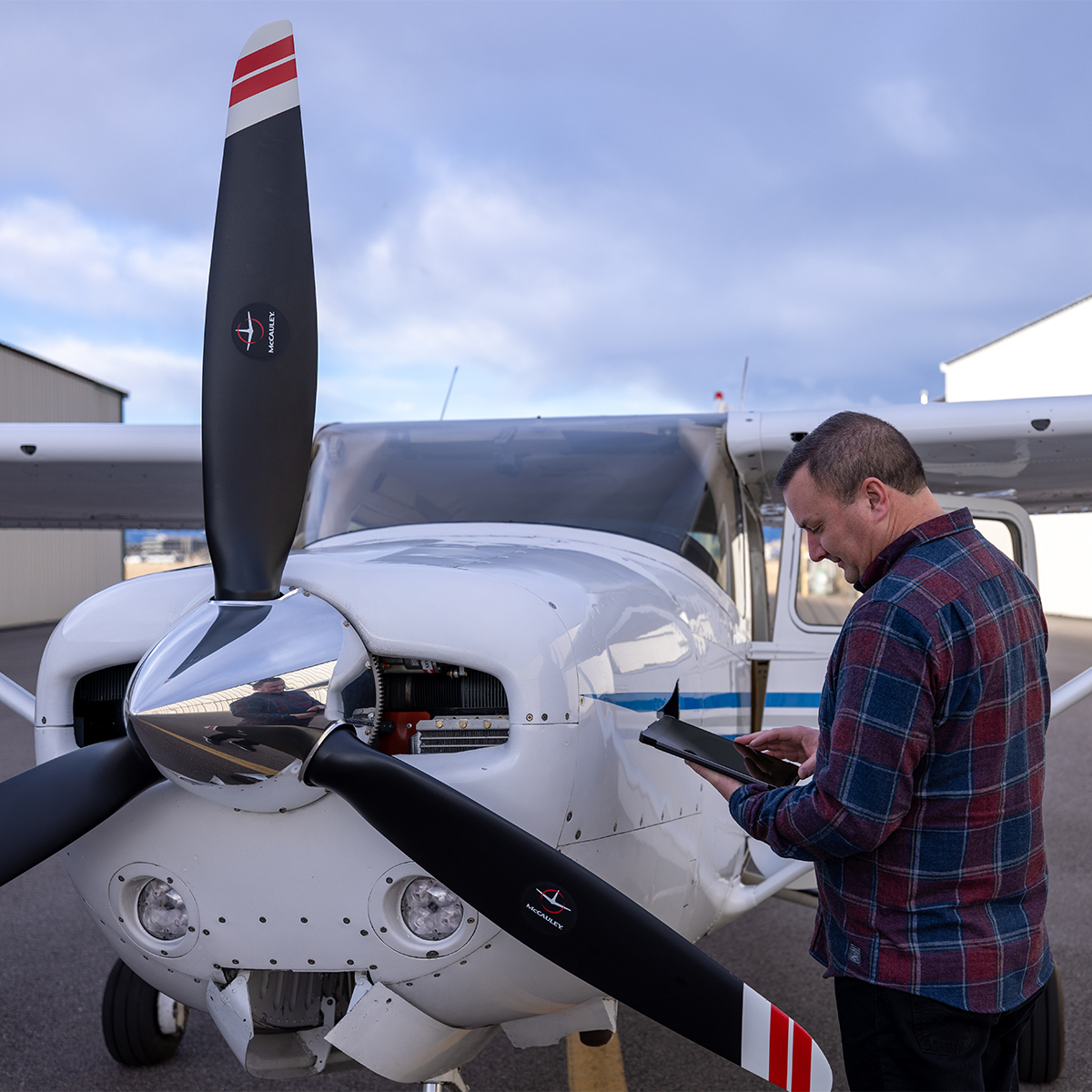
What helped was pulling up ForeFlight at home, turning on the live traffic layer, and listening to live ATC while watching the traffic on my screen in real time. Seeing what I was hearing made it click in a way nothing else did. I still do it before flying into unfamiliar airports.
The more questions I asked and the more mistakes I made, the more I saw the need for tools that are intuitive and make the flood of information manageable. That realization ended up shaping how I thought about training, and about the products we build.
Finding the right training
I've trained with different instructors and programs as I've worked through my ratings, and it became clear that who you learn from matters just as much as what you're learning.
I've done some of my training at Forge Aviation in Florida and was really impressed by their digital-first approach to flight training. It showed me the value of digital tools firsthand, and it gave me more structure than I had as a young pilot. What drew me to Forge was that I wanted people who were serious about safety and who brought structure to how they fly.
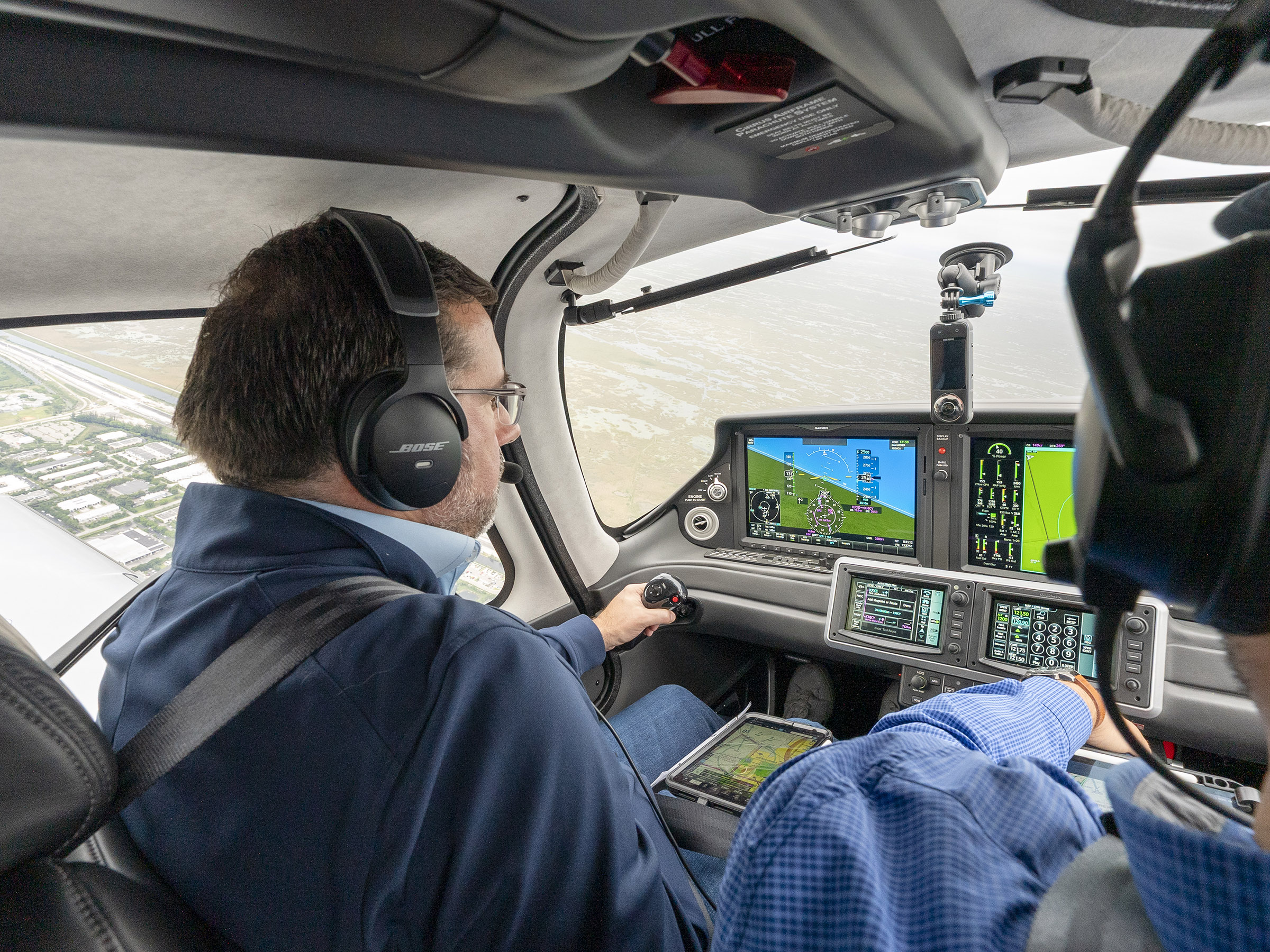
They integrate ForeFlight into the training alongside simulation and actual flights, with well-thought-out lessons that keep building on each other. It aligned with my goals for flying and what I wanted to get out of it.
I went on to earn my instrument rating, and I'm now working toward my commercial. Every rating has deepened my understanding of what our customers actually experience, in ways that PowerPoints and product meetings never could.
When I earned my instrument rating, I stopped understanding our products conceptually and started understanding them as a pilot who depends on them. That shift has made me better at my job in ways that are hard to fully explain.
The jump from a Piper Archer to a Cirrus SR22 has been another one of those moments. More speed, more technology, more to learn, and more that makes me appreciate what pilots are managing in the cockpit. Somewhere down the road I'm even considering a CFI, because they say once you can teach something you really understand it. Honestly, that's the overall goal for all this training.
How it changed the way I lead
Here's what I didn't fully anticipate: how much getting back in the cockpit would change how I lead.
I had always used our products as an executive, understood them from the outside looking in, and thought that gave me a pretty complete picture of what pilots needed. Then I actually started depending on them in the air, and that picture changed entirely. The features stopped being theoretical, and the product conversations I was having at work started to change for the better (though our product team may beg to differ, given how often I call them with ideas).
It was always hard for me to understand a pilot's perspective from PowerPoints and meetings. The cockpit became one of the most valuable places for learning in my career, not just as a pilot, but now as a CEO.
Simple is safe
Something I've said for years is that simple is safe. I meant it before, but flying really drove it home. When something is complicated or takes too long, pilots stop doing it. Not because they don't care, but because it's just too hard.
When I was learning to fly, I called 1-800-WX-BRIEF every single time. But if you make pilots go to the FAA website or manually run their performance numbers every flight, people are bound to cut corners. Make that same information fast and visual, and they actually do it. Every time. I understood that before, but I understand it differently now.
You are the crew
I also came to appreciate something about GA flying that I don't think fully registered before. When you're a solo GA pilot, there's no dispatcher, no co-pilot, no company behind you. You are the entire crew. Professional pilots get a lot of support: dispatchers, the airline, a first officer right next to them. In GA, it's just you. The tools you use either work for you or they don't, and you feel it when you're in the airplane.
What's next
I have no schedule and no timeline. I'm not trying to hit a certain waypoint at a certain time. What I care about is laying a strong foundation and continuing to advance in a smart, structured way. That's an entirely different mindset than the 16-year-old who just wanted to solo as fast as possible. That might be the most important lesson flying has taught me this second time around.
That kid in the Tomahawk couldn't have imagined any of this. But he understood one thing I still believe today: flying demands honesty. You can't fake proficiency, and you can't shortcut preparation. Getting back in the cockpit didn't just make me a better pilot. It reminded me why that standard matters, in the air and in the work we do.