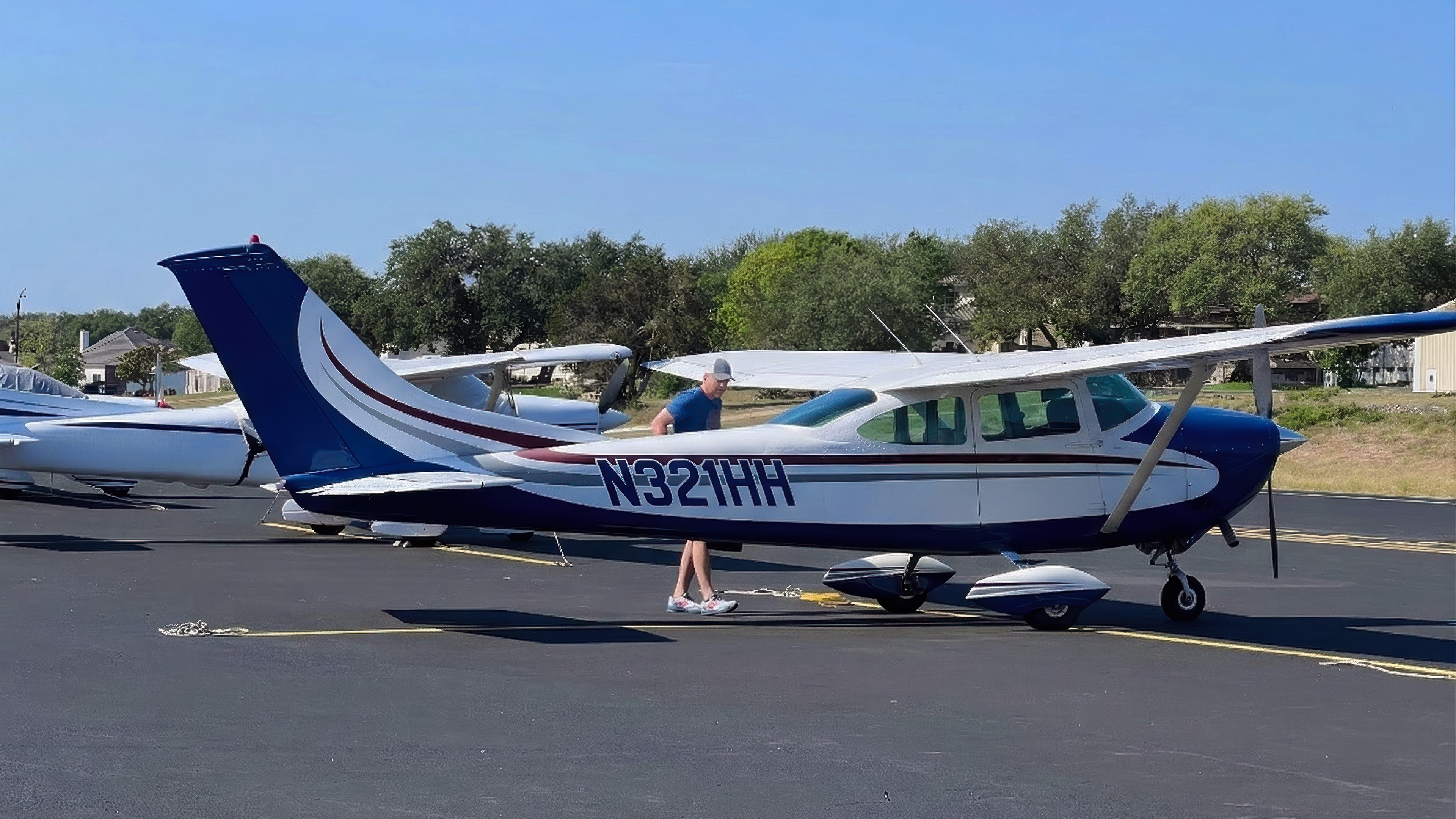
I’m guessing my aviation story is familiar to many of you. I loved aviation from a young age but ultimately didn’t choose it as a career path. I got my private certificate right after graduating college, once I had a job that allowed me to pay for it (actually, I took a signature loan on my 1988 Toyota Camry to make it happen).
After racing to get my PPL and then racing to pay off the loan, it became a challenge to stay current. “Life got in the way,” as the saying goes.
But aviation was always with me, whether it was flight simulators, Top Gun reboots, or trips to airshows with the family. The truth is, it took me almost 30 years to figure out how to make flying a true part of my life again, and ForeFlight actually had a hand in that.
(For what it’s worth, I was a customer when I got back into flying, not an employee.)
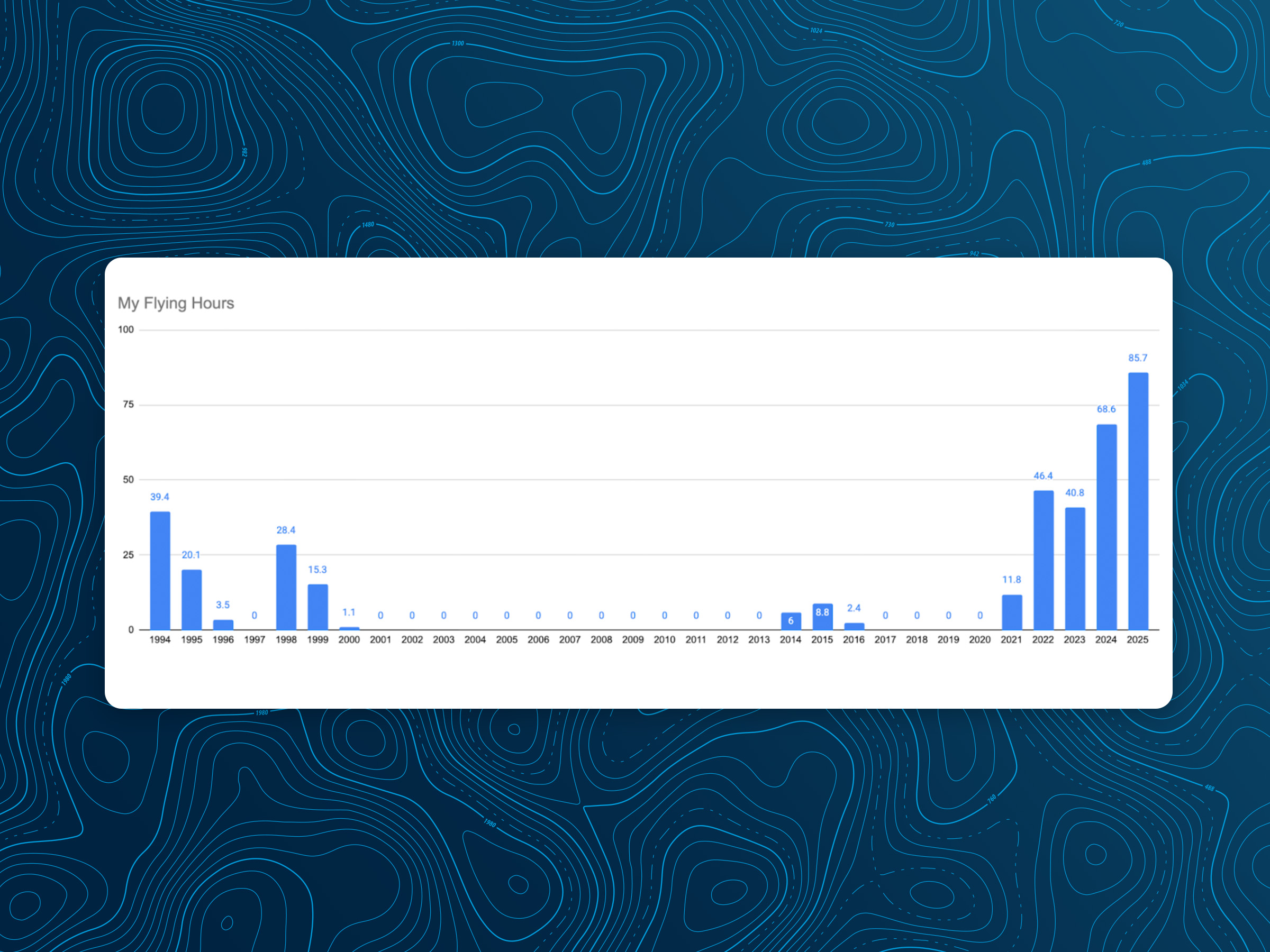
The motivation to get back into flying is probably still lingering for a few of you, so maybe this post will help nudge you. If not, no worries. Who am I to judge with the seriously long breaks I took?
Aviation isn’t an ordinary hobby. It costs a lot, like most hobbies, but it’s unique in that you really need the right mindset to stay current and proficient if you’re going to do it safely. There are plenty of factors that can make shaking the rust off a little easier. For me, ForeFlight played a role in that. In no particular order, here are a few features that made the transition back to the cockpit easier.
Features that made coming back easier
Aeronautical layer
I used to love the feel, and maybe even the smell, of old sectional charts. Opening those massive sheets of paper, spreading them across a desk, grabbing a pencil, and planning a flight was genuinely fun.
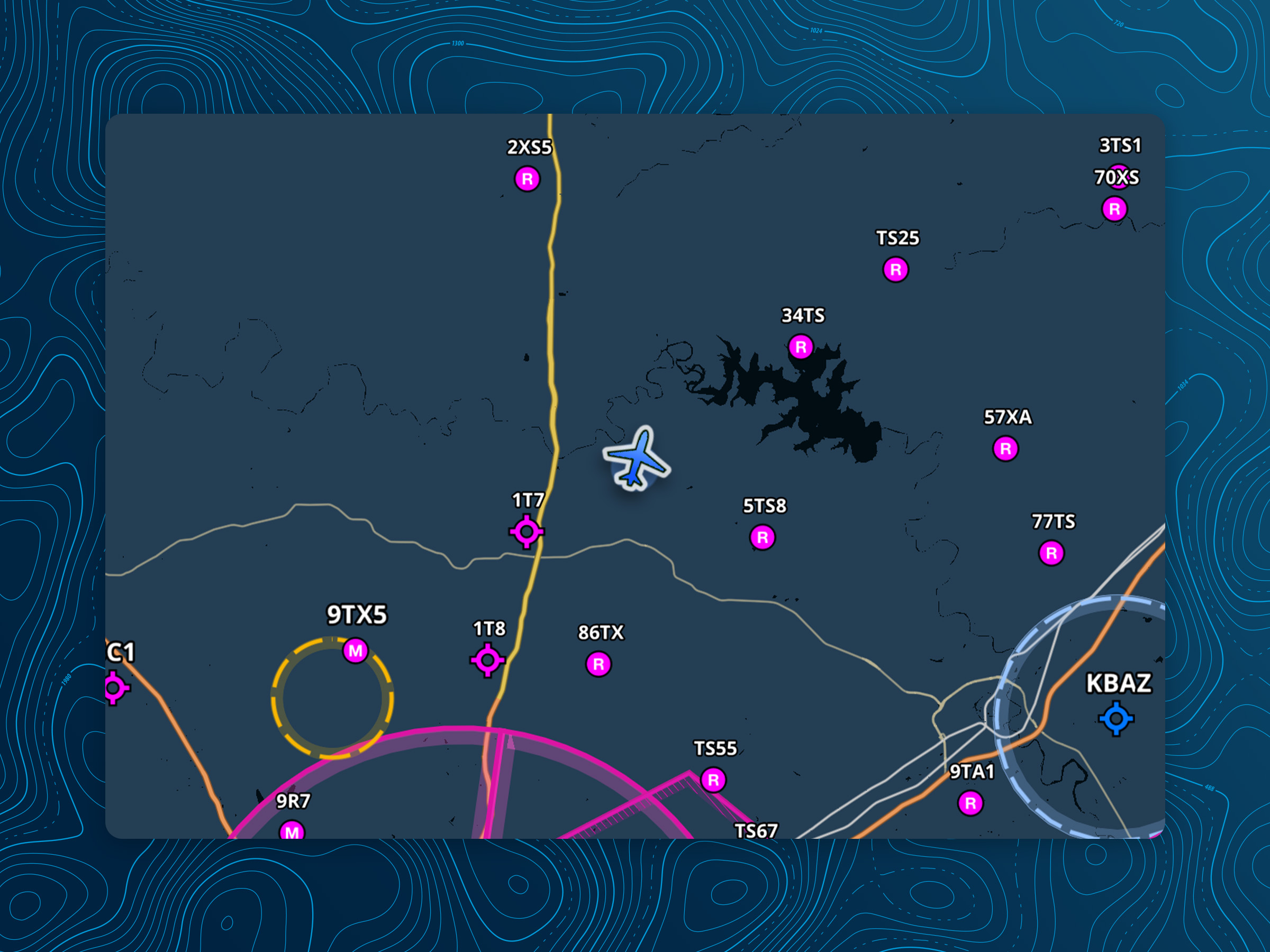
But using them in the cockpit? Not quite as enjoyable. Coming back to paper charts after many years felt overwhelming. Then I discovered how customizable the aeronautical map layer is in ForeFlight. By removing unnecessary layers, turning on Hazard Advisor, and displaying only airports, airspace, and major roads, the map instantly felt a lot less intimidating.
That setup made it easier to see what mattered and kept me from getting myself into trouble. This is how I leave the map for VFR flying most of the time.
3D view
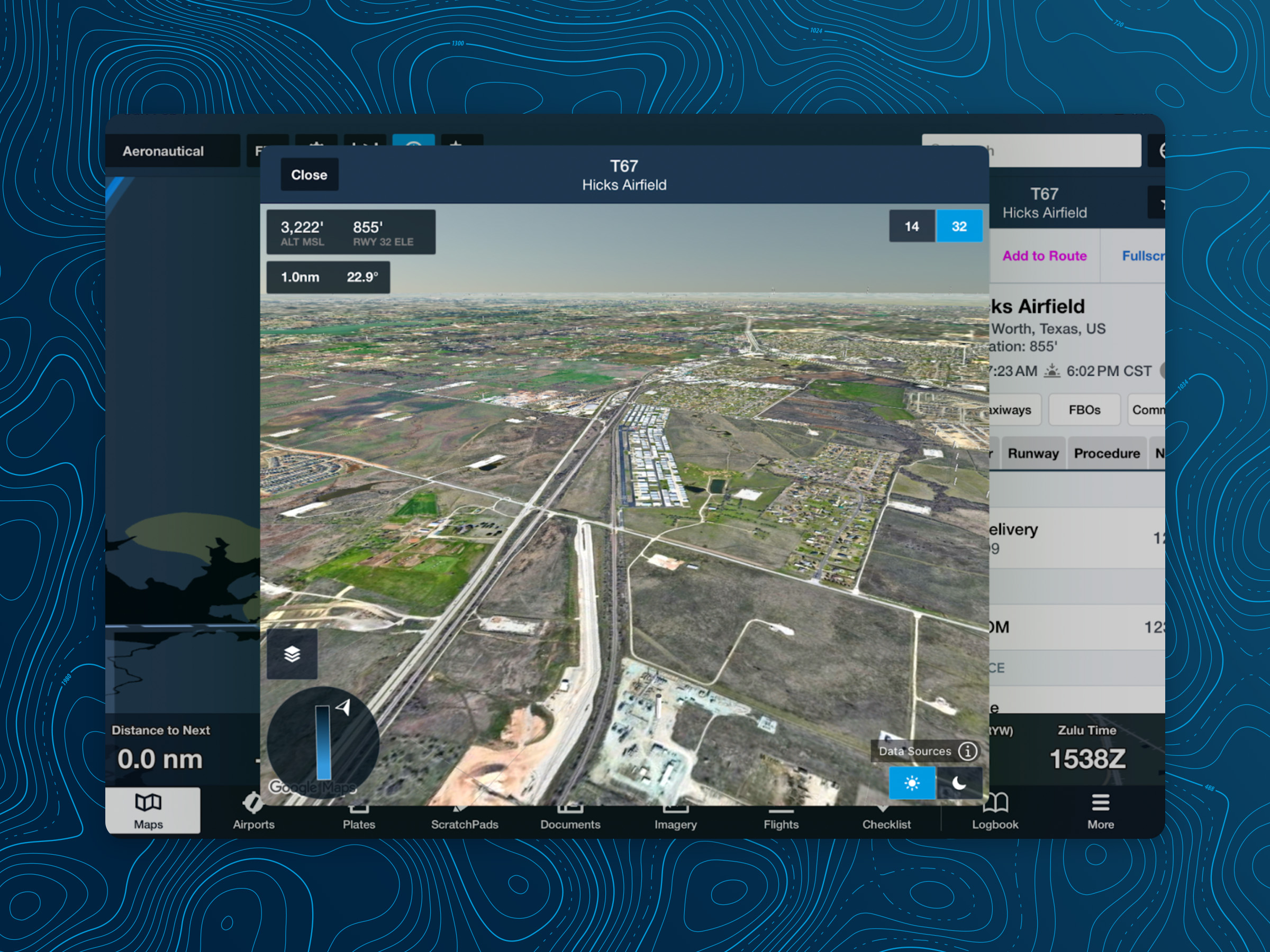
We’ve all come up on an unfamiliar airport and squinted out the window, trying to spot it through trees or buildings. I remember once making my first call to a Class D tower while I was right over midfield. “Look down,” the very polite controller said, It was a slow evening, and they didn’t make a big deal out of it (phew).
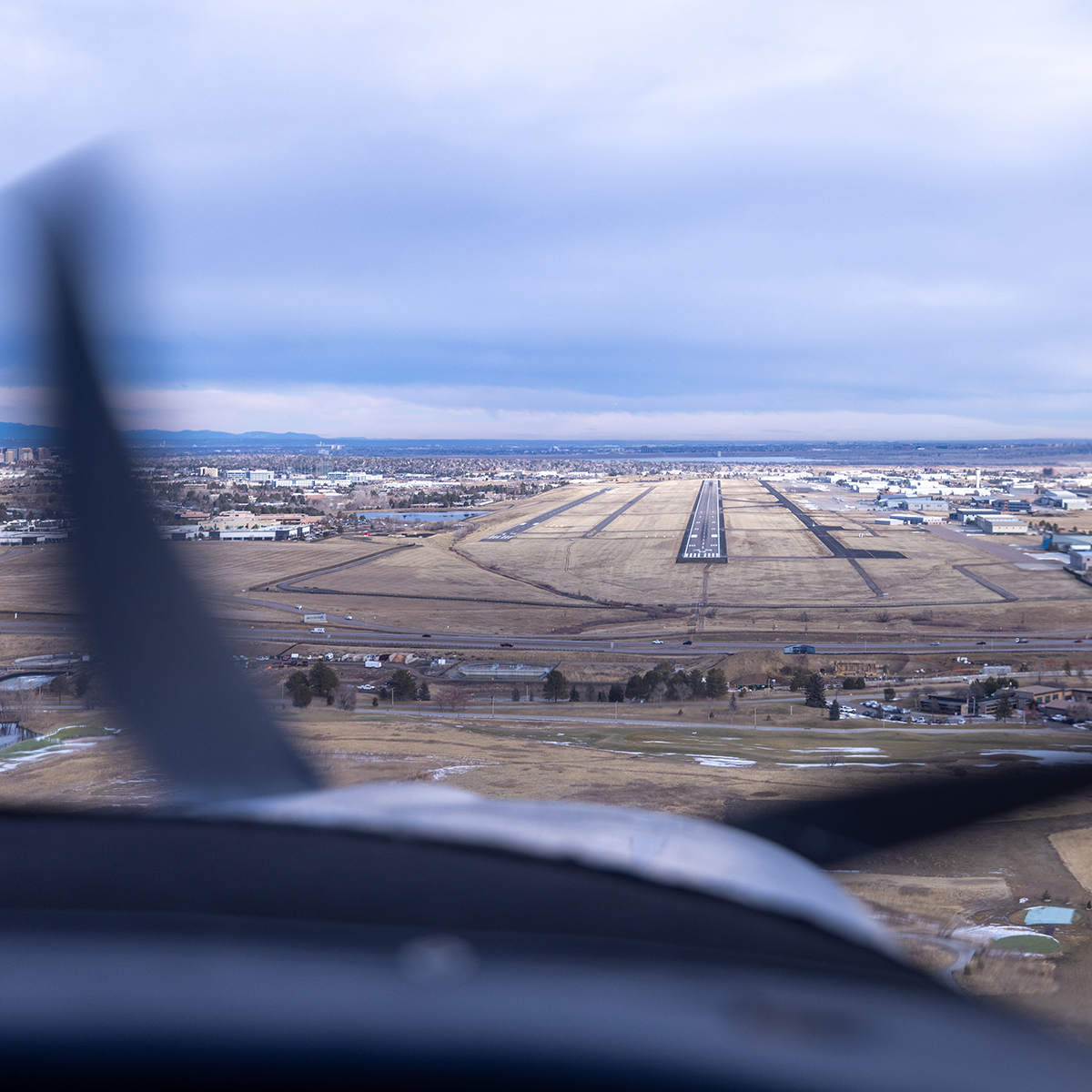
Now, I regularly use 3D View to get a sense of what the airport environment will actually look like. I can honestly say my “airport in sight” calls happen a little further out these days.
Glide ring
I think one of the biggest challenges in getting back into flying centers around safety. GA flying is inherently risky, and everyone should take that seriously. Plus, if you’re an aviation buff and on social media, you get a disproportionate amount of accident coverage. Those stories have their place, but they can really skew your view of the actual risks, serious as they are.
Introducing tools that help reduce risk can make a big difference. It’s generally accepted that ForeFlight has made GA flying safer, and one of my favorite features is the Glide Ring. Once you’ve set up a performance profile on your aircraft (and are using a solid GPS source), that ring can help you make better decisions in an engine-out situation and give you a sense of your options.

Traffic
Perhaps nothing is more game changing for flying VFR today than having ADS-B in the cockpit. Paired with a Sentry (or another ADS-B In device), real-time traffic provides peace of mind.
During my private training, a Twin Otter climbed up below us and came so close my CFI grabbed the yoke and pulled so hard I swear that Cessna 152 pulled five Gs. Nowadays, I would have seen him on ADS-B long before, made a gentle turn, and gone on my merry way.

Recap
So this feature requires you to deal with a bit of delayed gratification, but it’s totally worth it. I was originally a bit intimidated by the idea of digitizing my logbook (and I seriously love a good spreadsheet). It wasn’t the format I was worried about. It was more the labor, and maybe my sense of the “official” nature of the book.
Turns out I was fretting for nothing. I started by moving my entry totals over, leaving the remarks and endorsements blank. Over time, I came back and filled in the details, even added pictures of the logbook pages in each entry, illegible CFI notes and all.
It was REALLY worth the effort in so many ways, but perhaps my favorite part is the Recap feature. I was blown away by how it keeps me motivated to fly and challenges me to keep improving.
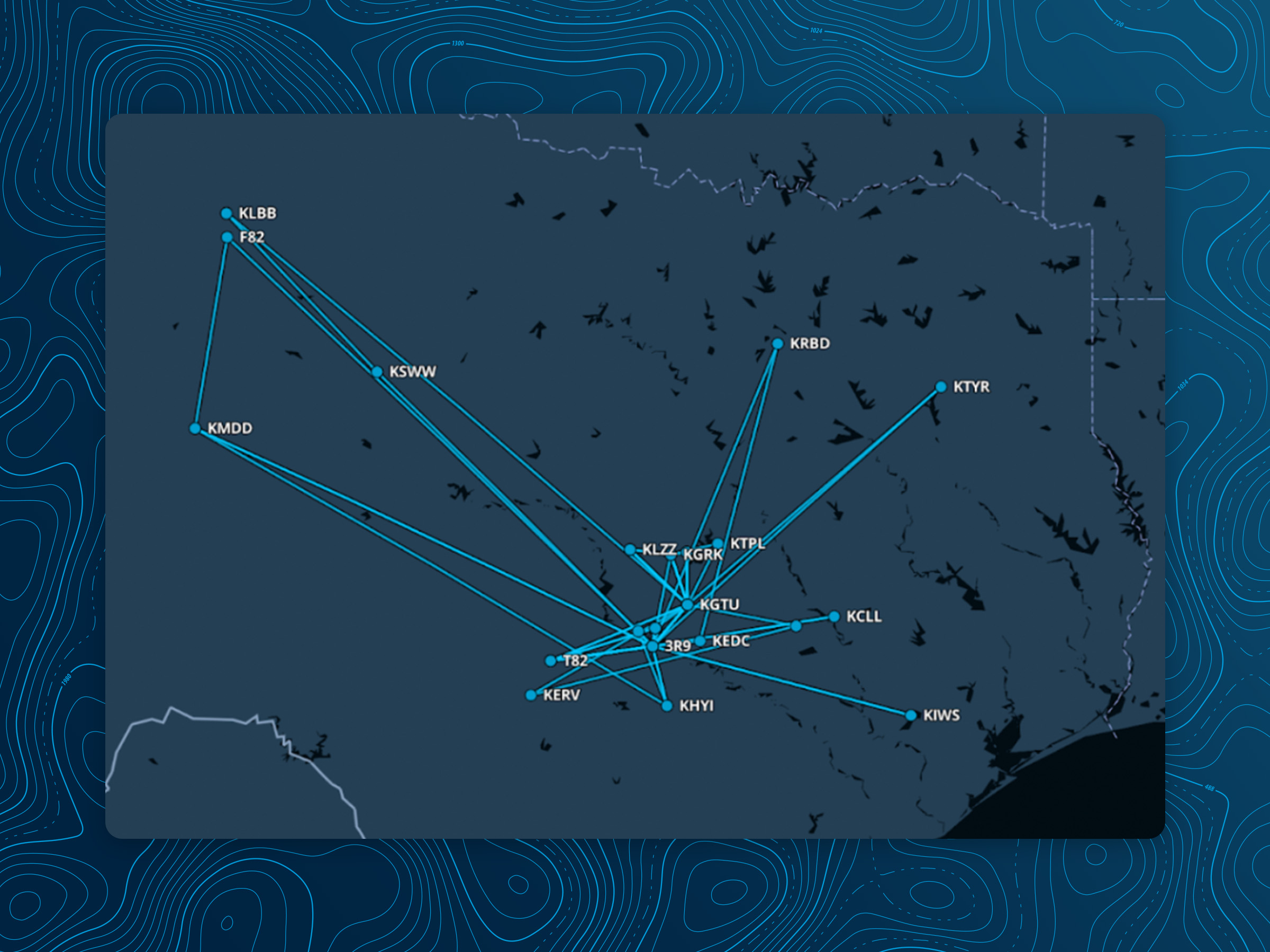
Support to get you back in the cockpit
I actually got back into flying before I joined ForeFlight, and since then we’ve launched a bunch of new features that make coming back even easier. Check out the Discover tab in ForeFlight for a variety of videos, including the Getting Started series and webinars, plus events and the What’s New section. These are all worth a look whether you’re an experienced pilot or thinking of getting back into flying.
Truth be told, probably the biggest thing that got me back into flying for real this time, aside from my wife’s support, was the aviation community. Meeting new pilots, young and old, who were encouraging and supportive, helped me get back in the saddle. Funny enough, almost every pilot I connected with had a story to tell, and most pulled out their iPad and opened ForeFlight to help illustrate.
If you’re serious about getting back into flying again, ForeFlight is a great place to start. If you already have a CFI, ask them to send you a link for a ForeFlight discount. Once you’ve downloaded the app, go into the Discover tab and find some local events to start connecting with your local flying community. I’d also recommend:
- Checking out the AOPA Rusty Pilot initiative
- Subscribing to Flight Insight’s YouTube channel
- Getting Pilot Workshop’s VFR Mastery subscription (there are other great Sporty’s training options too)