Before searching the classifieds…
Don’t start by saying, “I’m going to buy a Bonanza.” It's easy to fall in love with a plane before you've asked yourself whether it actually makes sense for you, and it can turn into a costly mistake.
Define your mission
Ask yourself this question: What are you going to be doing 90% of the time with this airplane?
I can’t emphasize how important that first question is. If most of your flying looks like taking three people on 300nm XCs, you probably shouldn’t buy a Cessna 150. On the other hand, if most of your flying is taking two people on local sightseeing flights, a Cherokee 6 doesn’t make any sense either. Now that doesn’t mean you can’t buy a Cherokee 6 for local sightseeing, but it would be like buying a school bus to drive two miles to work every day, with just your spouse.
Buying the plane that fits your mission does several things:
Get it right the first time
Imagine buying that Cessna 150, only to realize you’re always telling friends they can’t come on a flight, or your plane is slow, so you're constantly flying commercially. You’ll find yourself starting the whole buying process over again, since the plane you chose didn’t fit your mission.
Match the airplane to your budget
Maintaining a Cherokee 6 costs a lot more than maintaining a Cessna 150. If all you need is a Cessna 150, you’ll save yourself unnecessary maintenance costs by buying the plane that best fits your needs.
Look at your flying over the last two or three years and see what you did the most. ForeFlight Logbook reports make this easy. Generate an Experience Report with the timeframe set for the last 2 years to take a close look at your actual flying patterns. Do you imagine there will be changes in the next three or five years? What do those changes look like? Use this data to define your mission.
Define your Budget
Your budget is more than how much you’ll pay to acquire the airplane. From tie-downs to insurance, it's a mix of fixed and variable costs that can add up fast.
The many different costs of ownership
The cost of buying a plane is more than just what you pay to become the official owner. It’s a mix of fixed costs and variable costs.
Fixed costs are the things that don’t change throughout the year:
- Cost of buying the plane
- Hangar / Tie-down
- Insurance
- GPS Databases
- Any other subscription-based products
Variable costs are the things that you can’t 100% control:
- Fuel costs
- Annual Inspection cost
- Maintenance (Parts & labor)
- Oil changes
- Cleaning products
Insurance and variable costs are usually aircraft type-specific and vary based on your flight experience. If you’re a low-time Private Pilot without an Instrument Rating, a high-performance complex single like a Bonanza will have way higher insurance costs than a Cessna 172. Airplanes with more complex systems (turbocharged, retractable landing gear, oxygen systems, etc.) have more parts and systems to maintain and therefore, higher ongoing maintenance costs.
Maintenance madness
Owning a plane is more like owning a house than owning a car.
While there are similar maintenance needs like oil changes, spark plugs, and tires, when things break on airplanes, you could have simple $1000 fixes or nasty $10,000 fixes. Maintenance for airplanes is parts + labor, and the labor rates right now are around $110/hr. Annual inspections commonly cost anywhere from $1500-$4000 depending on the airplane and shop, and that’s just for the inspection itself. Anything broken or needing repair on top of that is extra.
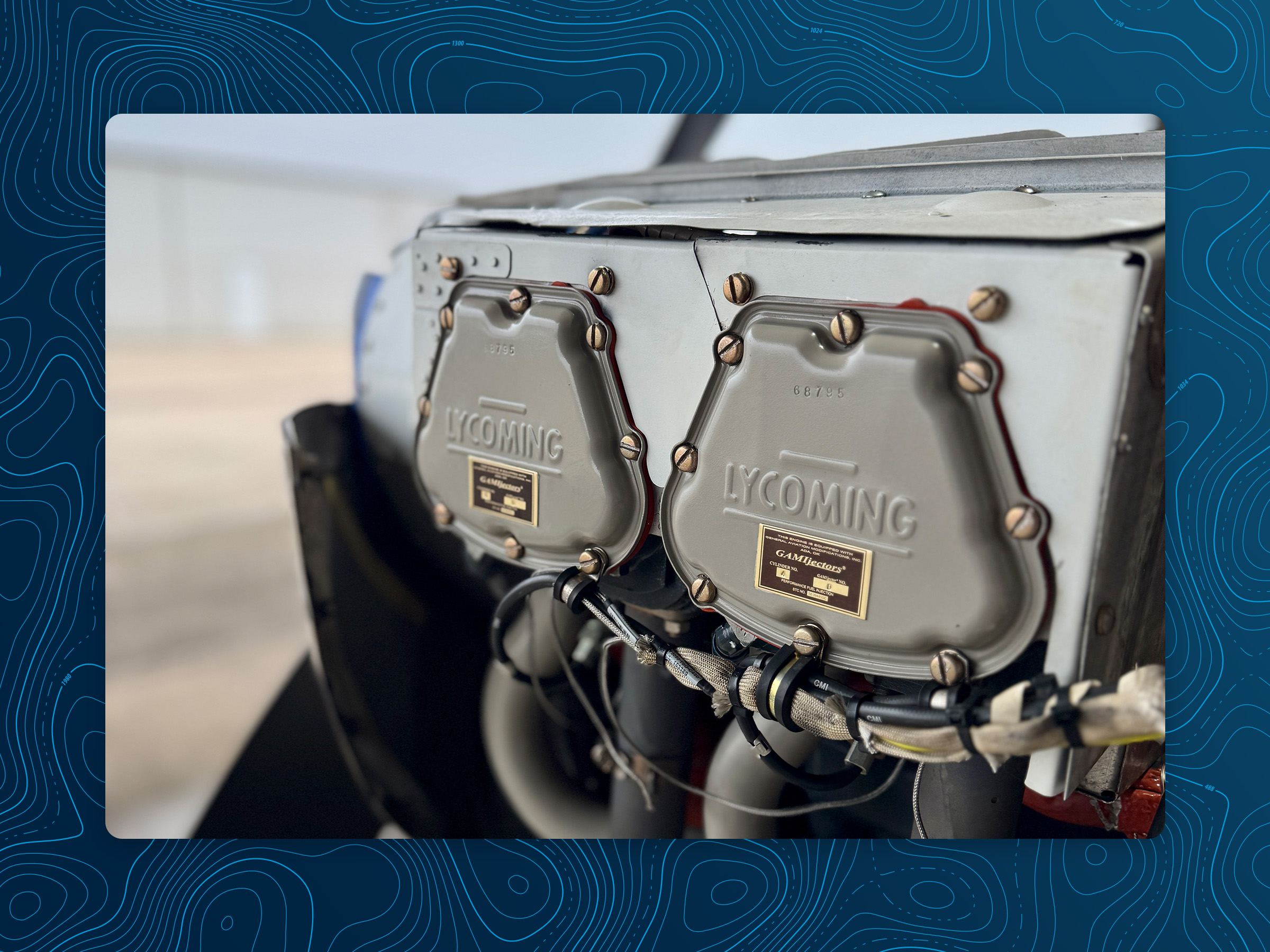
To help define your budget, look at how much you’re willing to spend to acquire an airplane, then look at how much you’re willing to spend each month to own the airplane. Variable costs can be harder to estimate since they’re aircraft-specific, but you can figure out most of the fixed costs. You could call and ask your local airports about the cost of hangars/tie-downs, and the price for GPS databases is easily found online through Jeppesen’s website.
In general, use 100 hours/yr as a guide to variable costs. You can personalize this per your Logbook and flying history, but per the prior rent vs. buy vs. partner blog, if you’re not flying at least 100 hours per year, renting is often the cheaper option.
Finding the right plane for your mission and budget
Once you have your budget range and an idea of what you’re going to be using the plane for, now it’s time to figure out the type! You've done the hard work of defining your mission and your budget, now you get to go shopping.
Time for research
AOPA has a lot of great articles talking about different airplane models and the pros & cons for each. You can check the market rate for any planes you’re interested in on Trade-A-Plane, Controller, or Barnstormers. I’d also recommend looking at type-group forums to get an idea of the average variable cost rate of owning, like what average annual costs other owners pay for the same type.
An example of this might be:
- Defining your mission: I mostly do XC flying of at least 200nm and want to be able to take my wife and 5-year-old son with me on adventure trips.
- Defining your budget: I have a budget of $130,000 for the purchase price of the plane, and can afford $2500 a month or $30,000 a year to cover fixed & variable costs.
Then you can start listing aircraft types that fit both your mission and your budget. For our example:
- Beechcraft Bonanza H35, older V35s
- Mooney M20 C, E, F or J
- Some Mooney M20K
- Bellanca Viking
- Grumman Tiger
- Piper Comanche 250
- Cessna 182
Go for a test drive
Once you’ve got your list, I highly recommend getting a ride in these planes before proceeding.
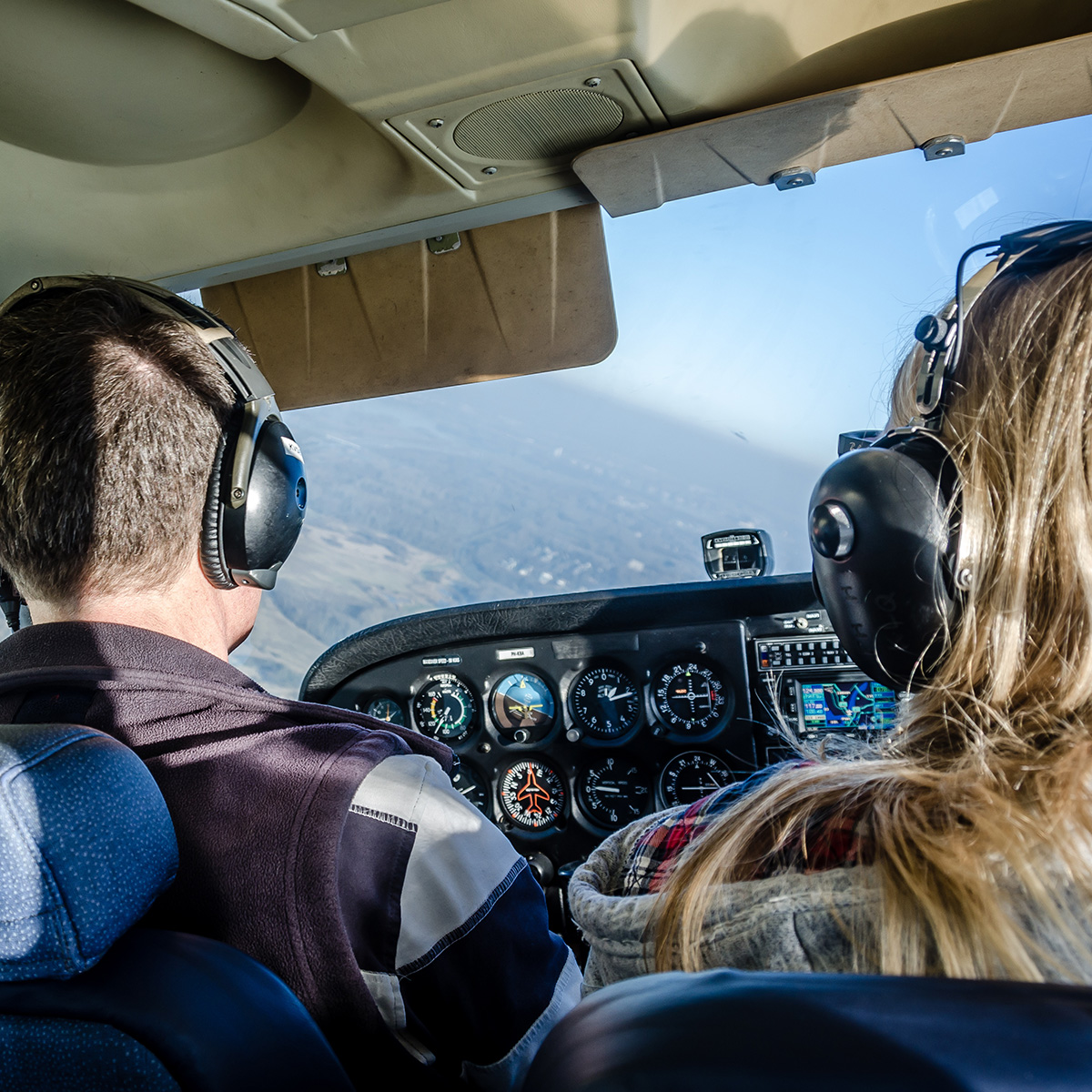
Find someone who owns a plane on your list and offer to pay for gas to get a ride and some stick time! Planes are unique, and each has its quirks. You could end up caring more about one thing than the other. You might find the Mooney looks really good on paper, but you hate getting in and out of it. Or that the Bonanza is a sweet ride, but man, that fuel burn would blow through your fun money way too fast. List out your pros and cons and determine what’s most important to you.
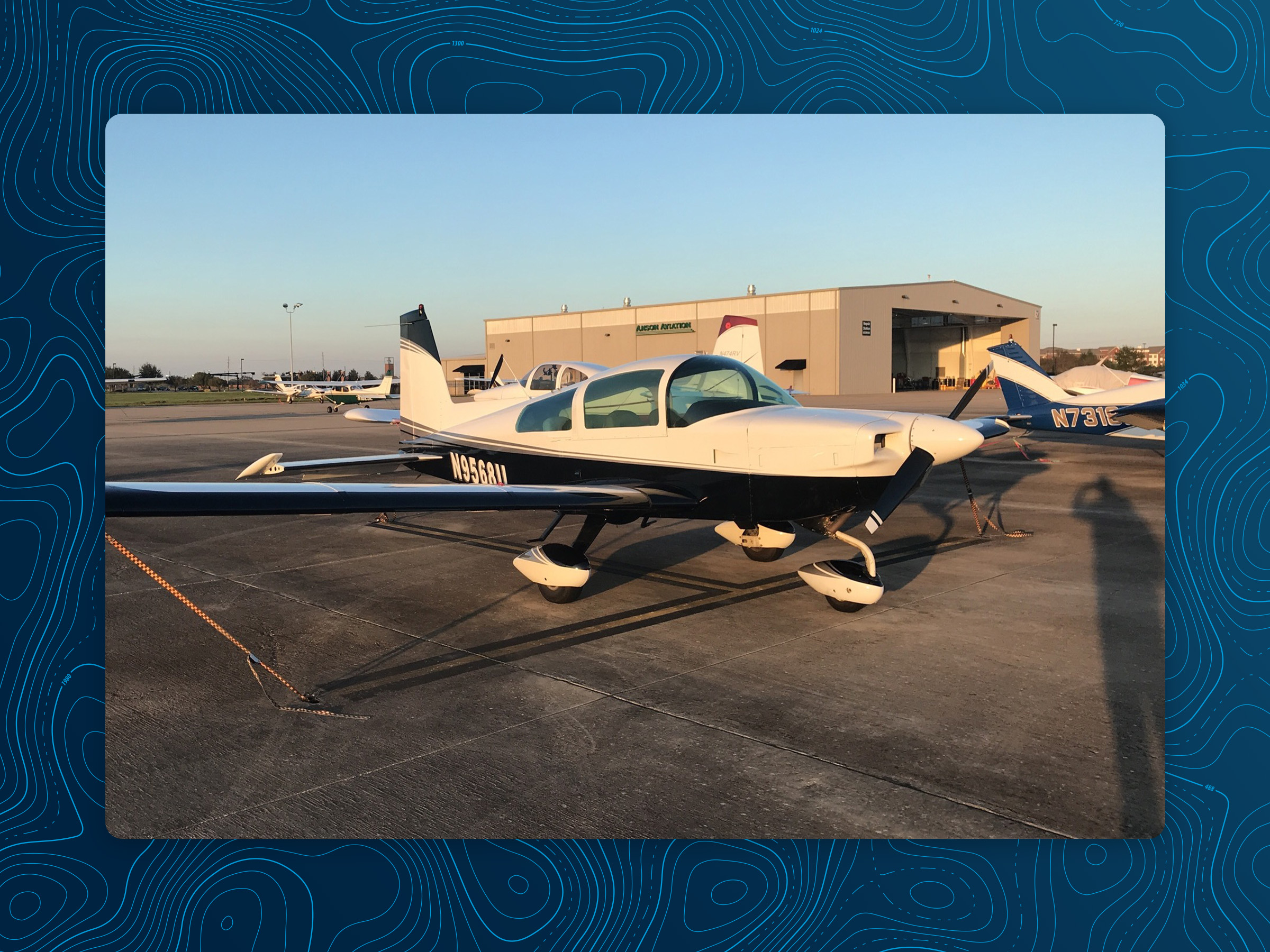
While this may seem like a lot of pros and cons lists, budgets, and research, make sure to stop and think about what you’re actually doing here. You are on your way to owning an airplane. That is no small feat. I know your younger self (who just signed up for that first lesson!) would be pretty proud right now. Keep taking the demo flights, talking with owners, and doing your research. Before long, you’ll find yourself in the left seat of the right airplane.