As a pilot, you know flying comes with significant responsibilities, including the need for appropriate insurance coverage. Some types of coverage may be easier for you to obtain than others, and “smooth” liability policies tend to fall into the more complex category.
This blog breaks down what smooth policies are, why they’re valuable, and what insurers typically look for when underwriting them.
How do we know what insurers look for? Through ForeFlight’s Insurance Fair Price Tool, we’ve analyzed trends across real-world aviation insurance policies to better understand how insurers evaluate smooth coverage. Based on that, let’s break down what these policies are to help remove some of the guesswork around how these policies work and whether they may be right for you.
What are smooth policies?
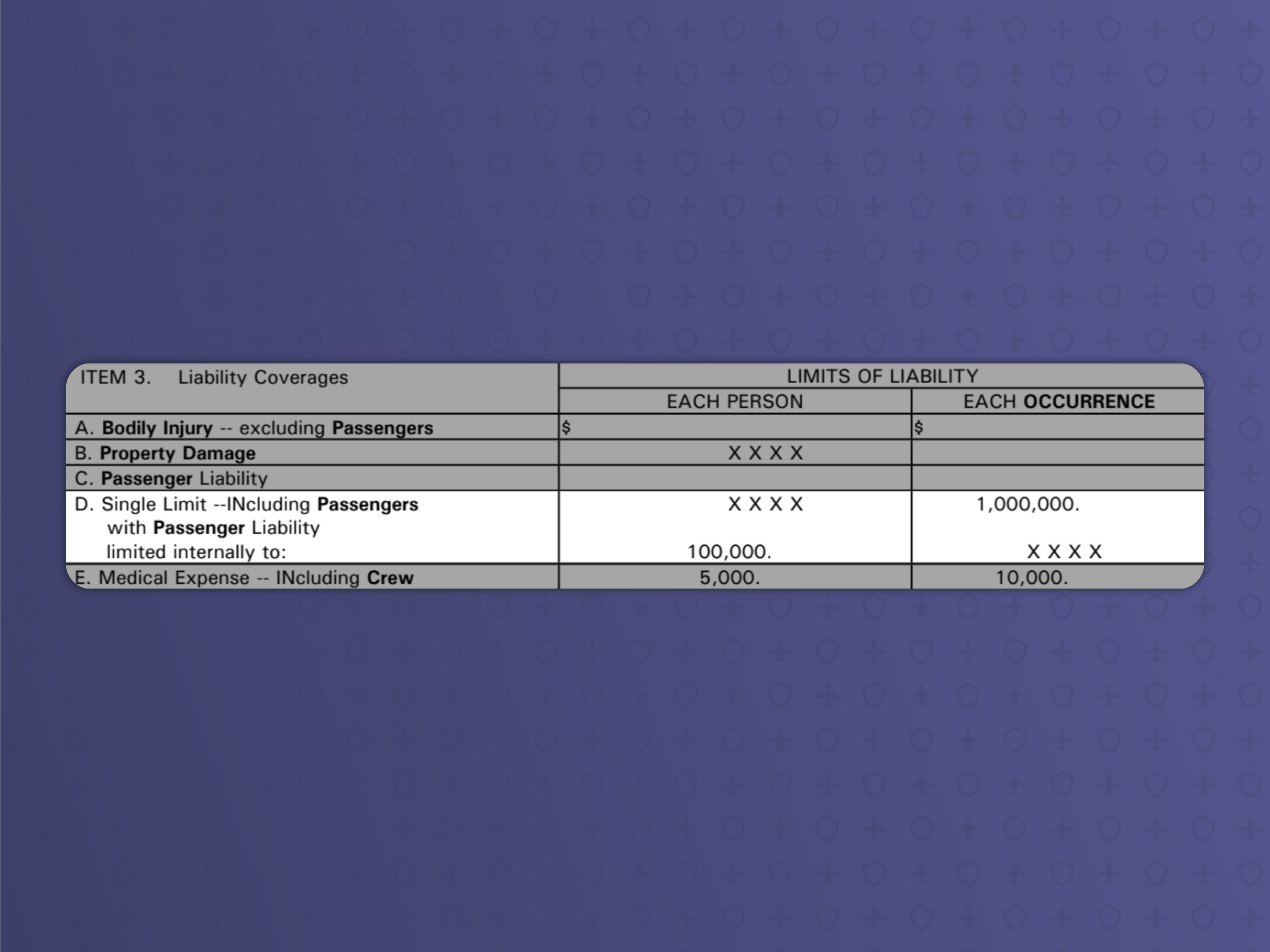
A smooth liability policy provides a Combined Single Limit (CSL), rather than splitting coverage into per-passenger or per-person sublimits. In other words, the full liability limit is available for a covered loss instead of being capped at a certain amount per passenger.
This can be especially valuable if you regularly fly with passengers, since it provides more flexibility in how coverage may apply following an incident or accident.

Insurance premiums fluctuate based on a variety of factors, and smooth policies are no different:
- Your total and recent flight experience
- Your aircraft’s make, model, and other factors
- Your experience in that specific aircraft model
What does it take to qualify for a smooth insurance policy?
1. Pilot experience
Your experience as a pilot is one of the biggest factors insurers look at when underwriting smooth policies. Your total flight hours, recency of experience, and ratings all play a role.
You’ll often hear around the FBO or in pilot forums that you need at least 500 hours to qualify for a smooth policy. While there doesn’t appear to be a strict minimum, our data shows most pilots carrying smooth coverage have significantly more experience. The median total time was 1,464 hours, and only 13% of smooth policy holders had fewer than 500 hours.
Holding an instrument rating and flying regularly to maintain proficiency may also help. Eighty-three percent (83%) of smooth policy holders in our dataset held an instrument rating, which reinforces how important proficiency and consistency are to insurers.
2. Aircraft type
The aircraft you fly matters, too. Most aircraft with smooth policies in our dataset were manufactured after 1970. Only 5% of policies covered aircraft built before that year, suggesting insurers generally favor newer aircraft when underwriting smooth liability coverage. This compares to our dataset as a whole where 26% of aircraft were manufactured prior to 1970.
3. Time in type
Insurers will also look at how much time you have in the specific make and model you’re insuring. The more experience you have in that type, the better.
The median for smooth policy holders was 462 hours in make and model, though 16% qualified with fewer than 100 hours, showing that while time in type helps, it isn’t always a strict requirement.
Smooth coverage for renters
Historically, smooth policies have often been associated with more experienced aircraft owners and higher flight-hour thresholds. But renters insurance can work differently.
Through ForeFlight’s Aviation Insurance Marketplace, you can access renters insurance that includes smooth liability coverage without a minimum flight hour requirement. This can make smooth liability coverage more accessible if you’re a student pilot, building time, or frequently renting an aircraft.
If you regularly fly with passengers but don’t own an aircraft, renters insurance can provide an additional layer of assurance without the traditional ownership barriers often associated with smooth policies.
The bottom line on smooth policies
Smooth liability policies can help you fly with greater peace of mind by eliminating sublimits that could affect your coverage in the event of an incident or accident. Whether you’re a seasoned pilot or just starting out, understanding how smooth policies work and what it takes to qualify can help you make more informed decisions about your aviation insurance.
While smooth coverage has traditionally been associated with highly experienced pilots and aircraft ownership, renters insurance through the Aviation Insurance Marketplace makes this type of coverage more accessible, even if you’re still building time.
Understanding how insurers evaluate experience, aircraft type, and proficiency can help you make more informed decisions about protecting yourself in the cockpit.
Have questions about aviation insurance? Contact insurance@foreflight.com or schedule a no-obligation phone consultation here.
Insurance is sold through ForeFlight Insurance Agency, LLC. ForeFlight Insurance Agency, LLC is a licensed insurance agency, not an insurance company. We may receive compensation from insurance companies whose products we offer. Submitting a quote request does not bind coverage. Actual coverage is subject to the terms, conditions, and exclusions of the policy issued.