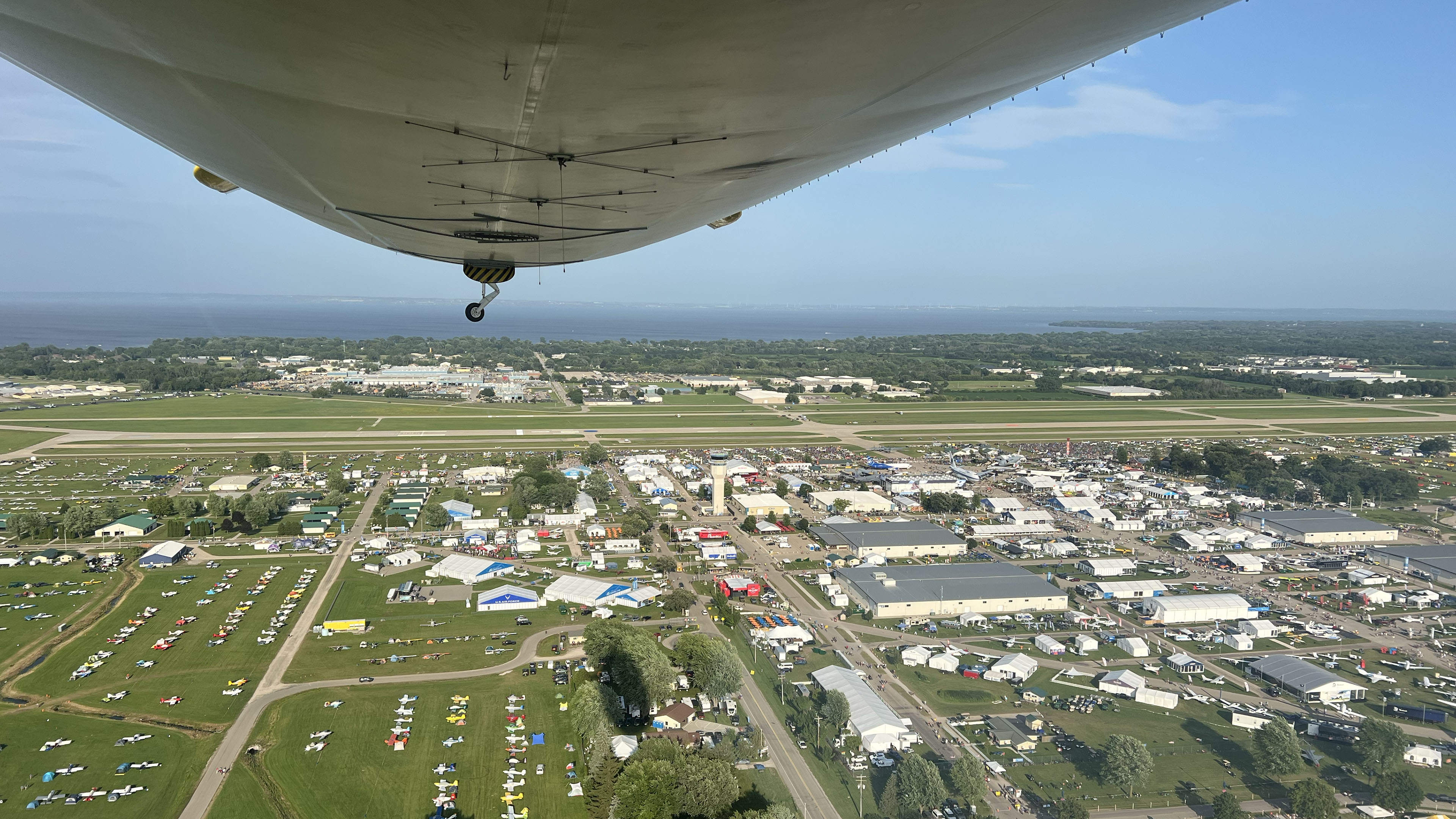
If you’re new to the idea of flying into EAA AirVenture Oshkosh, you’re in the right place. As a veteran attendee and someone who has flown in at least five or six times over the last five years, I’m happy to start breaking down what flying into the event is really like.
In the first edition of this series, I gave a top-down, big-picture look at how the event is structured, why attending is so important, and everything you need to know before the show. AirVenture is definitely not an event you decide to attend on a last-minute whim.
That is especially true if you’re planning to fly in. As the world’s largest aviation gathering, there are literally hundreds of thousands of people planning to do exactly what you’re thinking about doing right now. For reference, EAA reported that 704,000 people attended the show last year. So when I say this takes planning, I’m not being dramatic.
Anyway, let’s get down to business. If you’ve flown into the show before, you know preparation is absolutely key. Of course, that starts with lodging, rental cars, and other travel logistics. But the second piece of that massive logistical puzzle is preparing your airplane for the trip.
Preparing to fly into Oshkosh
Step one: Start with the pilot (PAVE)
Let’s start with the absolute basics: your airplane needs to be safe and airworthy. Think back to your private pilot checkride days. That means all inspections, required documents, maintenance items, oil changes, and other requirements have been complied with. You all remember ARROW, AV1ATE, and the rest, so I won’t dive into the specifics there.
What I will discuss is the trusty, and slightly less straight forward PAVE acronym. For those of you who haven’t thought about it in a while, let’s do a quick refresher: Pilot, Aircraft, Environment, and External Pressures. AirVenture may be the ultimate test of every one of those categories.
The pilot is at the heart of this acronym, so let’s start there. Whether you’re flying solo or with a lifelong copilot or buddy—and I strongly recommend bringing someone along as an extra set of eyes—I encourage you to be far more than merely legal and current.
If you haven’t been flying lately, now is the time to knock the dust off. The Fisk Arrival is not the place to be recalling your airplane’s flap speeds, that it’s time to switch tanks only once you run one dry, or how your airplane feels at slower airspeeds. Make sure you are legal, current, and proficient before tackling this procedure.
Remember, there is absolutely no shame in flying the airlines into Oshkosh or flying your Cessna 182 into Fond du Lac or Appleton and taking the shuttle bus into Oshkosh. It is always better to play it safe than be sorry.
Step two: Is your aircraft ready?
I’ve already briefly touched on the aircraft portion of PAVE, so I’ll keep this section short. AirVenture is where hundreds of thousands of pilots gather every year, and as a result, it is also very well attended by our friends at the Federal Aviation Administration.
All eyes are on this event, so make sure every applicable rule and regulation is followed. Of course, that extends to you as well. Don’t leave that government-issued photo ID at home, folks. Anything is fair game at this show.
Along with ensuring your airplane’s inspections, documents, and maintenance requirements are in order, there’s another part of PAVE that deserves special attention: the environment.
Step three: Watch the weather
Ever heard the saying, “Time to spare, go by air”? That saying is especially true when AirVenture is concerned.
I can honestly say that my own “get-there-itis” has reared its ugly head almost every year I’ve flown to the show. Whether I was flying a Cessna 170, an Aeronca Champ, or a Beechcraft T-34 Mentor, I’ve found myself trying to beat the metaphorical weather clock and ending up in situations that bordered on scud running more than I’d like to admit.
Thankfully, with tools like ForeFlight and its advanced radar capabilities, you can get a pretty good idea of what conditions look like along your route. I encourage you to take those weather readouts—and a healthy safety margin—seriously.
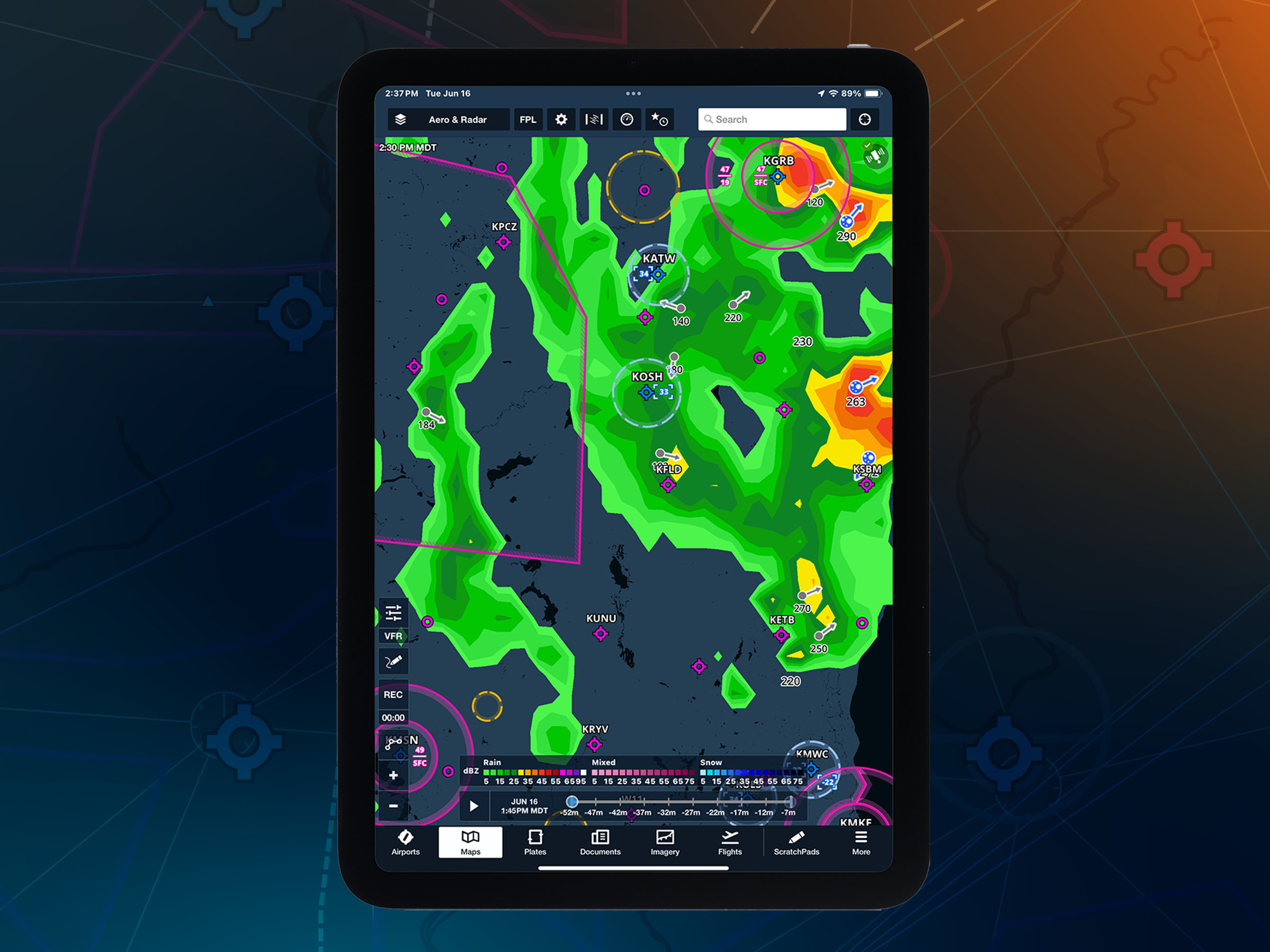
Even though I’ve had great success using ForeFlight on my trips north, weather can change in an instant. Always leave yourself an out.
That brings me to my next point: external pressures.
Step four: Managing external pressures
We’ve all felt them. A family member wants to get to a big event. You have a meeting waiting for you at work. Or maybe you’re simply tired and want to sleep in your own bed. Whatever the case, I’m here to tell you those pressures are amplified by about ten when you’re flying to AirVenture.
And those pressures can come from both your passengers and yourself.
Whether you’re trying to beat weather, nightfall, or a Bonanza mass arrival converging on the Fisk Arrival, there always seems to be a real or imagined clock ticking away as we rush to get parked, set up camp, and reunite with friends.
But it’s important to remember what’s at stake.
Whether it’s your own impatience or a passenger who is way too eager to rock the coveted wings and land on the yellow dot, you cannot allow get-there-itis to put yourself, your passengers, or other pilots at risk.
Speaking of the Fisk Arrival…
By the time you’re heading toward Wisconsin, most pilots are already deep into planning mode, cross-checking NOTAMs, and using tools like ForeFlight to build awareness of how the Fisk Arrival will look.
In my third installment of this AirVenture How-To series, where we’ll break down this one-of-a-kind arrival procedure step by step.